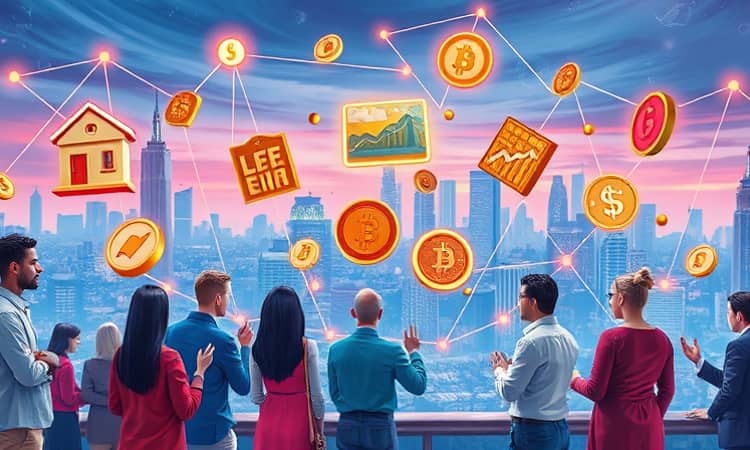
Imagine a world where ownership of prime real estate, rare artworks, and precious commodities is no longer limited to the ultra-wealthy few. Asset tokenization is making that vision a reality, ushering in democratizing access to valuable asset classes and transforming the way we trade, invest, and build wealth. By converting rights to tangible and intangible assets into digital tokens on a blockchain, this innovation offers unprecedented liquidity for traditionally illiquid assets and empowers individuals across the globe.
In this comprehensive guide, we explore the core concepts, step-by-step process, market potential, benefits, challenges, and future outlook of asset tokenization. Whether you are a retail investor, institutional manager, or industry professional, you’ll gain practical insights to harness this disruptive force and contribute to the reshaping the future of financial systems.
Understanding Asset Tokenization
At its core, asset tokenization is the process of converting ownership rights in a physical, digital, or intangible asset—such as real estate, art, stocks, or commodities—into a digital representation on a blockchain. Those tokens can be fungible shares traded like stock or unique non-fungible tokens (NFTs) that represent specific items. This approach enables fractional ownership, continuous trading, and global accessibility without traditional intermediaries.
The fundamental steps include:
1. Identify and Appraise the Asset: Select a target asset and determine its fair market value through professional appraisal services.
2. Ensure Legal and Regulatory Compliance: Verify jurisdictional requirements, securities laws, custody rules, and know-your-customer (KYC) protocols to secure trust and legitimacy.
3. Choose Blockchain and Token Type: Decide between networks like Ethereum, Solana, or others, and determine whether to issue fungible or non-fungible tokens. Smart contracts automate issuance, management, and governance rules.
4. Verify Off-Chain Asset Backing: Employ third-party auditors or decentralized oracles to confirm the real-world status and value of the underlying asset.
5. Issue Tokens and Secure Custody: Mint digital tokens via smart contracts, and store the physical asset or legal documents in a reputable custody arrangement.
6. Distribute, Trade, and Serve: Disperse tokens to investors’ digital wallets, list them on secondary markets or decentralized exchanges, and handle ongoing tasks like taxation and reporting.
7. Settle and Maintain: Benefit from the instant settlement and reduced intermediary costs built into blockchain protocols, ensuring accurate, transparent records and minimal friction.
Economic Potential and Market Growth
The scale of asset tokenization is staggering, with forecasts ranging from tens of billions to several trillion dollars within a decade. As more institutions and retail investors recognize the advantages, the market is poised to expand exponentially.
These projections highlight a shift from pilot programs to robust markets by 2026. North America currently leads in capitalization, while Asia-Pacific—boosted by favorable regulations in Singapore, Hong Kong, and Japan—shows the fastest growth. Ultimately, trillions of dollars in real-world assets (RWAs) like real estate and gold could find their way onchain, unlocking a new avenue for saving, investing, and diversifying portfolios.
Transformative Benefits for Investors
Asset tokenization delivers a spectrum of advantages that appeal to both individual and institutional market participants:
- 24/7 global trading with full transparency enables participants worldwide to engage at any time without open-market restrictions.
- fractional ownership opportunities for everyday investors break down high-value assets into accessible units, allowing anyone to own a piece of prime real estate or a masterpiece.
- seamless integration between TradFi and DeFi offers new investment strategies, from tokenized bonds to decentralized finance lending pools.
- enhanced security through immutable ledgers reduces fraud risks and enhances auditability, fostering trust in digital asset holdings.
- democratized financial inclusion and wealth building opens doors for underserved communities, empowering them with tools historically reserved for the affluent.
Navigating Risks and Challenges
Despite its promise, asset tokenization faces obstacles that require careful consideration and proactive mitigation:
Regulatory Hurdles: Compliance with securities regulations varies widely by jurisdiction. Aligning token structures with legal frameworks demands ongoing collaboration with authorities and legal experts.
Operational Friction: Legacy financial systems and emerging blockchain networks must interoperate smoothly. Standardizing protocols and investing in middleware solutions will bridge the gap.
Security and Verification: Reliance on oracles to verify off-chain asset data introduces potential vulnerabilities. Robust auditing, multi-signature custody, and insurance mechanisms are essential safeguards.
Scalability Constraints: Layer 2 solutions and high-performance blockchains address transaction throughput and cost, but continuous innovation is necessary to meet global trading volumes.
Market Volatility and Trust: Digital asset prices can exhibit high volatility. Transparency, clear governance models, and reputable custodians help build confidence among investors and regulators.
Real-World Applications and Use Cases
Leading examples illustrate how tokenization is already reshaping industries:
Real Estate: Iconic properties, including skyscrapers and commercial complexes, have been fractionalized into tokens, enabling investors to earn rental income and capital appreciation proportional to their holdings.
Art and Collectibles: Renowned artworks and high-value collectibles are now represented as NFTs, allowing enthusiasts to trade fractional interests or outright ownership on digital galleries.
Financial Instruments: Tokenized stocks, bonds, and funds operate alongside stablecoins and digital currencies, offering diversified portfolios that blend traditional yields with blockchain efficiency.
Commodities: Precious metals like gold and silver are tokenized at stringent audit standards, granting holders real-time proof-of-reserve and easier global transferability.
Key Players and Emerging Trends
A thriving ecosystem of innovators drives the tokenization revolution. Companies such as Securitize, Tokeny Solutions, Fireblocks, and Antier Solutions lead issuance platforms, while blockchain networks like Ethereum and emerging Layer 2 chains provide the underlying infrastructure.
Notable trends to watch:
- TradFi-DeFi Convergence: Collaboration between banks and decentralized platforms is accelerating product offerings, from tokenized ETFs to collateralized lending.
- Regulatory Clarity: Jurisdictions like Switzerland, Singapore, and the UAE are pioneering comprehensive frameworks, fostering institutional participation.
- Mobile and 5G Adoption: Fast, secure mobile access expands user bases and supports high-frequency token transactions.
The Road Ahead: Future Outlook
The journey of asset tokenization is only beginning. As technology matures and regulatory regimes catch up, we can anticipate:
• Mainstream adoption by pension funds and sovereign wealth funds seeking diversified returns through innovative structures.
• Integration of onchain identity solutions to streamline KYC/AML processes and enhance investor onboarding experiences.
• Emergence of cross-chain liquidity pools that aggregate tokenized assets across multiple blockchains, fostering deeper markets and tighter spreads.
The promise of unlocking unprecedented financial inclusion remains at the heart of this movement. By blending the precision of smart contracts with the tangibility of real-world value, asset tokenization paves the way for a more equitable, efficient, and resilient financial ecosystem. Whether you are charting your investment journey or building the next generation of financial infrastructure, the new era of ownership awaits—token by token.