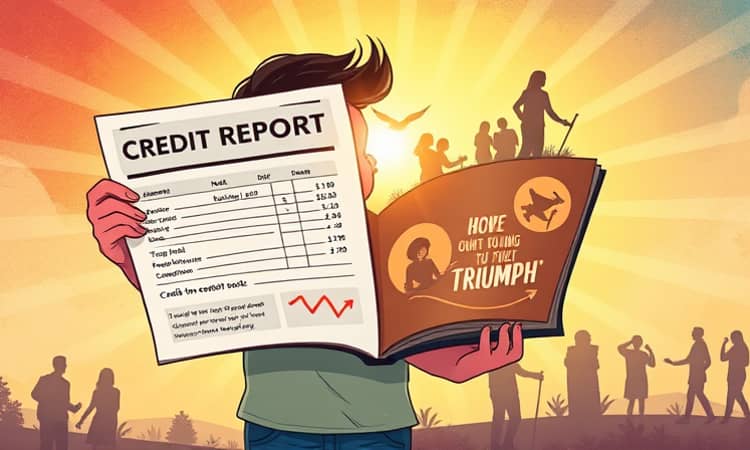
Credit storytelling redefines how we perceive scores and ratios by weaving them into impactful human narratives. This approach transcends data to ignite trust, motivate action, and foster empathy.
The Power of Narrative in Finance
Numbers alone rarely inspire. A credit score feels abstract, but a story about someone climbing out of debt resonates deeply. By focusing on the borrower’s journey, we introduce context, emotion, and hope.
When financial histories become tales of perseverance, they shift from cold metrics to compelling narratives around credit data. Stakeholders—whether lenders, investors, or clients—connect on a human level, making decisions informed by empathy rather than just risk assessments.
Core Elements of Effective Credit Stories
Crafting credit narratives demands intentional structure and vivid detail. The essential ingredients mirror classic storytelling:
- Clear message or theme: Frame the borrower as a hero overcoming adversity.
- Well-developed plot arc: Define a beginning of challenges, a middle of struggle, and an end of transformation.
- Engaging characters: Introduce relatable protagonists, like a single parent facing medical debt.
- Descriptive sensory language: Use imagery such as “emerging from credit darkness into financial daylight.”
- Authenticity and emotional resonance: Share genuine struggles, losses, and hopes.
- Pacing and tension: Build suspense with looming payment deadlines or sudden emergencies.
- Humor or emotional release: Include light anecdotes—perhaps a misplaced bill that sparks a humorous revelation.
Benefits of Bringing Stories to Credit
Embedding narratives into credit processes delivers advantages across business, therapy, and education. The following table highlights key impacts:
Techniques to Craft Compelling Credit Narratives
Moving from concept to creation involves practical steps. Employ these methods to humanize raw financial statistics and drive engagement:
- Use vivid, sensory language to evoke sights, sounds, and emotions tied to financial milestones.
- Map out a story skeleton—a simple outline capturing your protagonist’s journey stages.
- Practice retelling for authenticity so the narrative flows naturally and resonates with audiences.
- Adapt and improvise personal versions based on listener feedback and context.
Case Studies: Real Journeys Beyond Scores
Consider Maria, a small-business owner whose credit score plunged after pandemic losses. By documenting her nights spent negotiating with suppliers, the support she received from a local lender, and her eventual rebound, she inspired lenders to back her new venture. This story emphasized resilience over mere numbers.
Similarly, a fintech startup crafted its brand narrative around its founders’ early struggles with inaccessible banking. Their origin story—transforming from overlooked customers to industry innovators—became a marketing cornerstone, drawing investors and building customer loyalty.
These examples showcase how real-world borrower success stories elevate both individuals and organizations, turning statistics into memorable human experiences.
Challenges and Ethical Considerations
While powerful, credit storytelling must balance creativity with responsibility. Privacy concerns arise when sharing personal financial details. Always obtain consent and anonymize sensitive data. Beware of oversimplification, which can mislead stakeholders if the narrative glosses over critical financial risks.
Maintaining credibility requires thorough fact-checking and transparent disclosure of methods. Narrative frameworks should complement, not replace, rigorous data analysis.
The Future of Credit Storytelling
Advances in artificial intelligence promise new frontiers for narrative generation. AI can help identify compelling themes within large credit datasets, recommend storytelling arcs, and even draft personalized stories at scale.
Yet human oversight remains essential. Combining algorithmic insights with emotional intelligence ensures stories retain authenticity. As we look ahead, the synergy between data and narrative will redefine how credit decisions are made and experienced.
Prepare for a world where AI-powered storytelling tools on horizon meet the timeless art of human connection.
Call to Action: Start Crafting Your Own Credit Story
Ready to transform numbers into narratives? Begin today by identifying a recent credit challenge or victory—no matter how small. Sketch out the characters, stakes, and resolution. Experiment with sensory language and emotional beats.
Share your draft with peers, solicit feedback, and refine. In time, you’ll master the art of weaving data into stories that persuade, empower, and endure. Unlock your narrative potential today and lead the charge beyond the numbers game.
- Identify a credit journey worth telling.
- Outline clear beginning, middle, and end.
- Infuse authenticity with real anecdotes.
- Practice retelling until it resonates.