In 2025, total U.S. household debt soared past $18.8 trillion, a figure that underscores the magnitude of the challenge ahead. With student loan balances at $1.833 trillion and credit card debt hovering around $1.277 trillion, many Americans feel overwhelmed. Yet surveys reveal that 72% of U.S. consumers intend to pay down debt and nearly half prioritize lowering credit card balances. This article offers a step-by-step strategy to transform intention into action and reclaim financial freedom.
Assess Your Debt Landscape
The first step in any debt-reduction journey is a clear picture of where you stand. Start by compiling:
- All outstanding balances and interest rates
- Minimum monthly payments and due dates
- Income sources and essential expenses
Tracking this data reveals patterns: for example, Gen Z averages $94,101 in personal debt, while one-third of Americans spend over $1,000 monthly on credit cards. Recognizing that high-interest rates exceed 22% APR on many cards can motivate swift action.
Create a Realistic Budget
A sustainable budget allocates every dollar toward goals. Begin by listing after-tax income and fixed costs. Then, prioritize variable spending categories and debt payments. Consider these tools and tactics:
- Budgeting apps to categorize expenses automatically
- Automated savings plans that transfer funds each payday
- Subscription audits to eliminate unused services
When 39% of consumers plan to use budgeting apps and 41% cancel subscriptions to boost savings, you’re in good company. Automating even small contributions builds momentum and keeps you on track.
Prioritize High-Interest Balances
With limited resources, it makes sense to tackle the most expensive debt first. Credit cards often carry APRs above 20%, substantially eroding progress. Data from Q4 2025 shows:
Focus extra payments on balances with the highest APR. This “avalanche” method saves thousands in interest over time. If you prefer the momentum boost of quick wins, the “snowball” approach—paying smallest balances first—can also be effective.
Build an Emergency Fund
An emergency cushion prevents new debt when unexpected expenses arise. Aim for three to six months of essential costs in a separate account. Even funneling 5% of your monthly income into this fund can provide security. When 21% of Americans already tap savings for debt, having dedicated reserves keeps you from backtracking into high-interest borrowing.
Explore Relief and Refinance Options
For student loans and high-interest credit cards, refinancing or consolidation can lower rates and simplify payments. Be aware that only 8% of consumers consolidated debt in the past year, even though doing so can:
- Replace variable APRs with fixed rates
- Potentially boost credit scores through on-time payments
- Simplify multiple bills into a single monthly payment
Public Service Loan Forgiveness programs and teacher forgiveness options exist, but approval rates are low—around 3.3% for PSLF. Weigh the benefits of consolidation loans carefully, and consult a trusted advisor if possible.
Establish Sustainable Habits
Long-term success depends on consistent behaviors. Integrate these practices into your routine:
- Review your budget and balances weekly
- Engage with personal finance podcasts and experts
- Set small checkpoints and celebrate each milestone
By tracking progress every single week, you maintain momentum and can adjust your plan as income or expenses change. Regular check-ins ensure you catch any lapses before they become setbacks.
Avoid Common Pitfalls
Even the best plan can falter if you overlook key risks. Keep an eye on broader economic trends: federal debt service costs surged to $970 billion in 2025, and Treasury yields may climb, affecting mortgage and loan rates. Guard against lifestyle inflation—resist increasing spending as income grows. Above all, don’t skip minimum payments in pursuit of aggressive paydown; penalties and credit hits can cost more in the long run.
Measure Your Success
Celebrating small victories fuels your journey. Track metrics like:
- Percentage reduction in total balances
- Interest saved versus projected costs
- Increase in credit score over time
With 9 in 10 Americans actively working to reduce debt, you’re part of a community committed to financial resilience. Each dollar you reroute from interest payments to principal brings you closer to freedom.
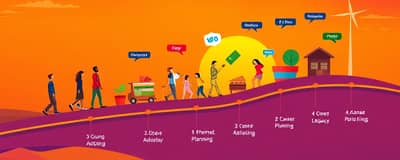
Breaking free from debt is not a quick fix but a gradual transformation of habits, mindset, and strategy. By assessing your full financial picture, crafting a realistic budget, prioritizing high-interest balances, and building sustainable habits, you can move from feeling overwhelmed to empowered. This plan offers the roadmap; your commitment paves the way to a debt-free future.