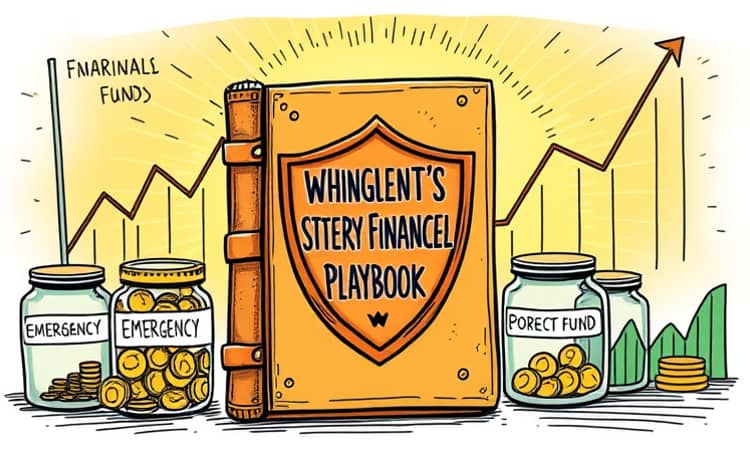
Life is full of unexpected twists—job interruptions, medical emergencies, market downturns. Without a plan, financial shocks can become crises. But with a robust contingency playbook, you transform uncertainty into manageable steps. This guide empowers you to build comprehensive safety nets that withstand turmoil and keep your goals intact.
Understanding Financial Contingency Planning
A financial contingency plan is a structured playbook describing how you’ll respond financially when bad-but-plausible events occur. It spells out which risks you’re preparing for, the triggers that activate your playbook, and the concrete actions you’ll take—where you’ll find cash, what you’ll cut, what you’ll protect.
Used by individuals, families, and businesses alike, contingency planning is proactive risk management, not pessimism. It creates a financial safety net that reduces panic and ad-hoc decisions during a shock. Remember: it’s not a set-and-forget document; it must be reviewed and updated regularly.
Identifying Key Risks
Every plan starts with clarity on what can go wrong. List your top 5–6 realistic, high-impact threats to focus your efforts.
Common personal and family risks include:
- Income disruptions: job loss, reduced hours, slow freelance pipelines
- Major health shocks: unexpected medical bills or disability
- Big-ticket expenses: home repairs, car breakdowns, appliance failures
- Market risks: recessions, portfolio crashes, bonus cuts
- Debt and interest rate shocks: variable-rate hikes, refinancing issues
- Life events: divorce, death of a breadwinner, caregiving duties
Small businesses and founders face unique threats, such as:
- Loss of a major customer or key contract
- Supply chain disruptions or vendor failures
- Economic downturns reducing demand or credit access
- Regulatory changes or costly compliance penalties
- Key personnel loss: founders, specialists, or top salespeople
- IT or cyber incidents causing operational paralysis
- Natural disasters: floods, fires, storms damaging assets
Emergency Fund: Your First Line of Defense
An emergency fund cushions you from immediate liquidity crises. Aim for 3–6 months of living expenses. If your situation is riskier—self-employed, single-income household, or unstable industry—target 6–12 months.
Park these funds in high-liquidity, low-risk vehicles like savings accounts, money market funds, or short-term CDs. Keep the money separate from your everyday checking account to prevent accidental spending.
Dynamic Budget and Expense Triage
Prepare multiple versions of your budget to match different stress levels. Distinguish between core essential expenses—housing, food, utilities, transportation, basic healthcare—and discretionary spending like dining out, subscriptions, and travel.
Create:
• A normal budget for healthy income.
• A moderate-stress budget for a 10–20% income cut.
• A severe-stress budget for full job loss.
Decide in advance which categories you’ll reduce or eliminate at each stress level. This eliminates the guesswork and guilt when you need to act fast.
Diversified Income Strategy
Relying on a single income is risky. Build pre-planned side hustles and passive streams you can activate in an emergency. Options include freelance work, consulting, rental income, or dividend-paying investments.
Keep a list of marketable skills and gig platforms where you can find paid work quickly. A well-defined backup income is an essential pillar of resilience.
Investment Risk Management
Market downturns are inevitable. Your portfolio should be built to absorb shocks without forcing you to sell at a loss. Diversify across asset classes, maintain an allocation that aligns with your time horizon, and include defensive assets such as bonds or dividend stocks.
Periodically rebalance and stress-test your holdings. Simulate a 20–40% equity decline and evaluate how long your funds would last if you needed to draw on investments for living costs.
Insurance as a Contingency Tool
Insurance is far more than a monthly bill—it’s a critical defense against catastrophic losses. Key coverages include:
• Health insurance to safeguard against major medical expenses. • Life insurance to protect dependents if a breadwinner passes away. • Disability insurance to replace income if illness or injury strikes. • Liability or umbrella policies for protection beyond standard limits. • Property insurance for homeowners or renters.
Review your policies annually or after major life changes—marriage, childbirth, home purchase, or income shifts—to ensure adequate coverage for evolving needs.
Debt Management for Resilience
High-interest debt is a fragility amplifier. Inventory all debts, including balances, interest rates, and minimum payments. Then choose a payoff strategy—snowball (smallest balance first) or avalanche (highest rate first)—to accelerate elimination.
Where possible, refinance high rates to lower-cost loans. Avoid relying on credit cards or consumer credit as part of your emergency plan.
Stress-Testing Your Plan
Bring your contingency playbook to life with “what-if” scenarios. Ask:
• What if you lose your job for six months?
• What if your portfolio drops by 30% in a year?
• What if interest rates spike on variable-rate debt?
For each scenario, predefine what expenses you’ll cut first, which assets you’ll tap (cash, investments), and which backup income streams you’ll activate.
Multiple Savings Buckets
Beyond your main emergency fund, create separate savings buckets for predictable but irregular costs. Buckets may include home maintenance, car repairs, medical expenses, and career development. This approach prevents premature depletion of your core reserve.
Ongoing Review and Iteration
A contingency plan is a living document. Review it at least annually and after significant life or market events. Update your risk list, fund targets, coverage levels, and budget scenarios to reflect current realities.
Crafting Your Business Contingency Playbook
Entrepreneurs must apply the same rigor to protect their ventures. Identify your top risks, set monetary thresholds that trigger action, and draft alternative budgets for lean scenarios.
Key high-impact scenarios every founder should plan for:
- Loss of a major customer or key contract
- Supply chain or vendor disruptions
- Economic downturns reducing sales or financing
- Regulatory changes or expensive compliance issues
- Key personnel departures
- IT failures, cyberattacks, or data loss
Define clear triggers—such as cash on hand dropping below X days of expenses—and lay out step-by-step actions: cutting discretionary costs, accessing lines of credit, implementing lean staffing, or pivoting offerings.
Regularly stress-test by simulating revenue drops, supply delays, or compliance fines. A bullet-proof business contingency plan helps maintain cash flow, preserve core operations, and steer your company through storms.
With a detailed, regularly reviewed financial contingency playbook, you transform fear into actionable steps. Embrace proactive risk management to ensure that when life throws curveballs, you always have a resilient plan ready to protect your future.