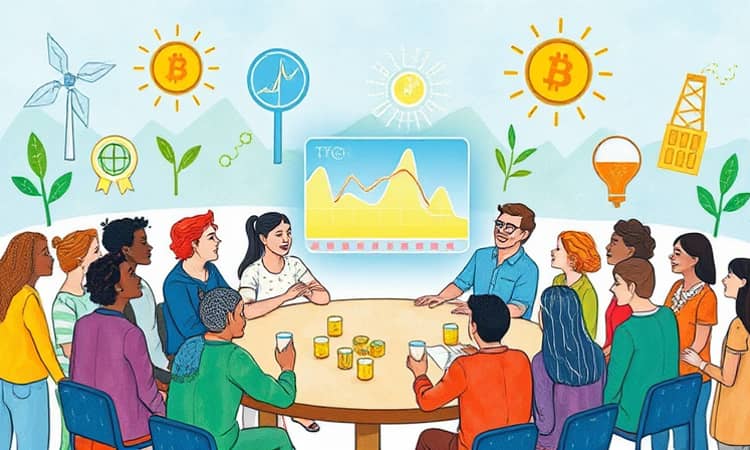
Across the globe, groups of neighbors, creators, and entrepreneurs are reimagining how decisions are made, resources are managed, and value is shared. By leveraging blockchain-based frameworks, these communities are unlocking unprecedented levels of transparency, inclusion, and resilience. This article explores the foundations, components, real-world impact, and future pathways for community-owned protocols that empower people to craft their collective destinies.
Understanding Community-Owned Protocols
At their core, community-owned protocols replace centralized hierarchies with decentralized networks where every member’s voice matters. They combine distributed ledger technology with participatory governance, enabling transparent, auditable, community-driven management of shared assets. Whether powering a renewable energy cooperative or coordinating a global creator collective, these systems guarantee that rules, votes, and outcomes are immutably recorded and publicly verifiable.
Unlike traditional organizations, where executives and boards hold sway, protocol DAOs and similar models distribute authority across token holders or verified identities. Citizens vote on proposals, smart contracts execute decisions, and forums host ongoing dialogue. This paradigm shift fosters trust, deters corruption, and accelerates innovation by putting power back into the hands of stakeholders themselves.
Core Components of Protocol Governance
Designing a successful community-owned protocol requires integrating technical and social elements that reinforce one another. At the heart of every system are mechanisms for identity, voting, enforcement, and communication.
- Decentralized Identity (DID): Verifiable digital identities without central authorities, ensuring secure, private participation.
- Tokenized Voting Mechanisms: Digital tokens represent voting rights—often weighted by stake, reputation, or contribution—to enable decentralized decision-making and transparent governance.
- Smart Contracts for Rule Enforcement: Self-executing code that automates resolutions, rewards, and fund disbursements with self-executing rules through smart contracts.
- Transparent Communication Platforms: Blockchain-based forums and messaging channels that preserve every proposal, comment, and amendment in an immutable record fostering deep community trust.
Types of Community-Owned Protocols
Community-owned frameworks come in various forms, each tailored to different goals and participants. Below is a concise overview of three major categories and how they manifest in practice.
Real-World Applications
From local cooperatives to global creative collectives, community-owned protocols are reshaping sectors by embedding shared governance into their DNA. In agriculture, coffee farmers collaborate with roasters and retailers on pricing, quality standards, and profit sharing—ensuring equitable participation and collective ownership throughout the value chain.
In the creator economy, artists issue governance tokens that grant fans voting rights on project directions, revenue splits, and marketing campaigns. This transforms passive audiences into active stakeholders, fostering deeper engagement and shared prosperity. Enterprise platforms also benefit: permissioned chains in finance, healthcare, and logistics enable companies to co-manage critical data without sacrificing privacy or efficiency.
The Power of Collective Governance
Community-owned protocols offer more than technical novelty—they unlock human potential by aligning incentives, embedding accountability, and amplifying diverse voices. Through transparent mechanisms and community oversight, decision-making becomes fairer, faster, and less vulnerable to single points of failure.
- Trust and Accountability: Immutable ledgers and open records build confidence among stakeholders.
- Efficiency and Automation: Smart contracts remove bureaucratic delays and intermediaries.
- Inclusivity and Equity: Token models and flexible voting systems ensure broad representation.
- Resilience: Distributed networks guard against tampering and outages.
- Sustainability: Shared stewardship aligns long-term goals with community welfare.
Overcoming Challenges
Transitioning to decentralized governance brings hurdles but also opportunities for growth. Scalability, digital literacy, and regulatory ambiguity can hinder adoption. Yet thoughtful design, capacity building, and open collaboration can turn these obstacles into catalysts for innovation and education.
- Implement user-friendly interfaces and multilingual documentation to bridge digital divides.
- Design token economies that prevent concentration of power and reward genuine contributions.
- Conduct regular security audits and formal verification to safeguard smart contracts.
- Engage proactively with policymakers to craft clear, enabling legal frameworks.
Looking Ahead: Building Tomorrow’s Communities
The future of collective governance lies in interoperability, adaptive voting models, and deeper integration of social norms. As protocols interlink across sectors, communities will collaborate on cross-domain challenges— from climate action to universal access to essential services.
By grounding our systems in shared values, transparent processes, and continuous learning, we can unlock a new era of participatory power. Whether you’re a farmer, developer, artist, or citizen, the tools and methodologies of community-owned protocols offer pathways to direct impact, collective ownership, and a more equitable world. Embrace the journey, contribute your perspective, and help write the next chapter of decentralized democracy.