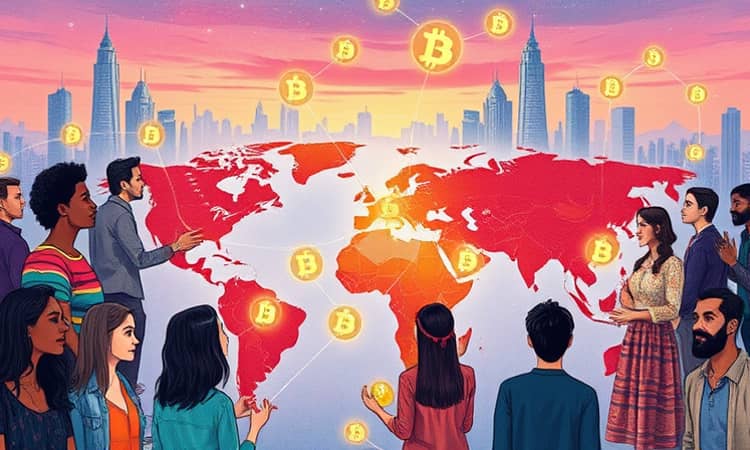
In an era where technology reshapes every sector, financial markets stand on the brink of a profound transformation. Digital assets are creating unprecedented investment opportunities and inviting anyone with an internet connection to participate in wealth creation.
Bridging a Century of Financial Exclusion
For decades, access to high-yield assets was reserved for large institutions and ultra-wealthy individuals. Private equity, real estate, and hedge funds often demanded six- or seven-figure minimum commitments, locking out the majority of savers.
Regulatory frameworks further limited participation. Accredited investor rules and complex cross-border requirements reinforced a two-tiered system: a small elite versus the masses. Meanwhile, slow settlement cycles and manual processes made small-ticket investments economically unviable.
- High minimums of $250,000 to $1,000,000+
- Illiquid positions with long lock-ups
- Geographic and regulatory hurdles
Tokenization: Fragmenting Friction and Fees
Tokenization converts real-world assets—stocks, bonds, real estate—into digital tokens on a blockchain. Each token acts as a digital deed, certifying ownership and enabling fractionalized access to exclusive assets.
By splitting a multimillion-dollar property into thousands of tokens, tokenization reduces minimum investments to a few dollars. Automated smart contracts handle subscriptions, transfers, and corporate actions, slashing administrative fees and manual reconciliation.
Marketplaces for tokenized assets can operate 24/7, with near-instant settlement and liquidity that dwarfs traditional T+2 or T+3 timelines.
Reducing Costs and Operational Burden
Automation in tokenized systems often yields sixty to seventy percent efficiency gains in back-office workflows. Digital KYC, e-signatures, and reusable identity vaults accelerate onboarding and reduce duplication.
Platforms that aggregate tokenized funds can drive down custody and servicing fees, making small investments profitable for asset managers. This replicates the ETF revolution, which saved retail investors hundreds of millions in fees, now extended into private and alternative markets.
Decentralized Finance: A New Frontier
DeFi protocols deliver financial services without traditional intermediaries. Through smart contracts on public blockchains, anyone can lend, borrow, trade, or earn yield with minimal friction.
- Permissionless access via digital wallets
- Global markets available 24/7
- Low or no minimums for participation
These platforms empower individuals to act as their own banks, controlling collateral, migrating funds across protocols, and capturing yields that once required sophisticated relationships. Yet this power comes with heightened smart contract and market risks.
Global Inclusion and Emerging Markets
Smartphones and internet connectivity have unlocked financial markets for billions. A small artisan in Manila can now invest in a tokenized industrial project in Berlin. Similarly, investors in New York can buy fractions of farmland in Argentina.
This cross-border flow of capital fosters economic development, drives diversification, and opens new channels for issuers. Asset managers no longer rely solely on local high-net-worth individuals; they tap a truly global pool of buyers.
Empowering Investors with Governance and Transparency
Tokenized securities embed both ownership and voting rights on-chain. Shareholders can participate in corporate decisions with a click, ensuring transparent, verifiable governance participation even for small investors.
Real-time on-chain data provides instant visibility into holdings and transaction history, enabling new indexing products for private assets. Investors gain insights that were once confined to large institutions with direct data feeds.
Balancing Innovation with Prudence
While digital assets unlock remarkable opportunities, they introduce novel risks. Regulatory clarity lags innovation, and jurisdictional differences in compliance can confuse issuers and investors alike.
Smart contract vulnerabilities, custody threats, and market volatility require robust risk management frameworks. As traditional financial institutions integrate digital asset solutions, they bring due diligence, legal oversight, and insurance mechanisms that help mitigate these challenges.
A Future of Inclusive Wealth Building
The convergence of blockchain, tokenization, and DeFi heralds a new paradigm for financial inclusion. By lowering minimums, automating processes, and extending access across borders, digital assets pave the way for millions of underserved individuals to build wealth.
As regulation evolves and infrastructure matures, the dream of democratized investment will become reality. Financial opportunity will no longer be confined to the few, but shared by the many, forging a more equitable global economy.