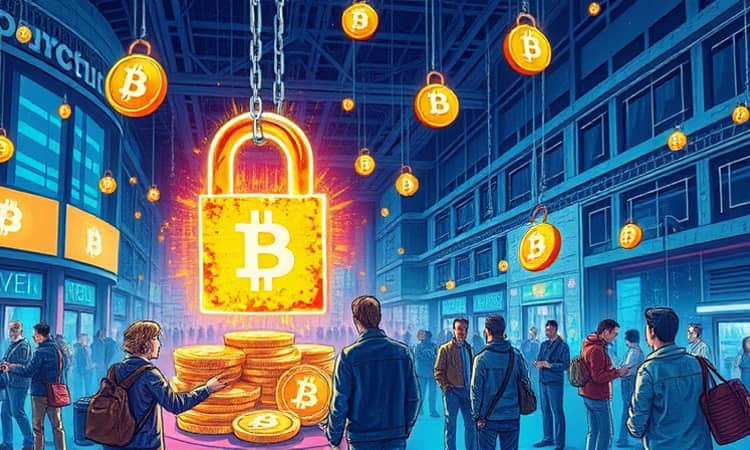
In an era where digital files can be replicated infinitely at almost no cost, the idea of limiting supply may sound counterintuitive. Yet, engineered scarcity has become a cornerstone of modern digital economies.
This article explores how imposing deliberate restrictions on digital goods creates perceived value, fosters communities, and supports sustainable business models in a world defined by abundance.
Defining Digital Scarcity
At its core, digital scarcity is the practice of implementing technical or legal controls to limit access to information, media, or services that would otherwise be endlessly copyable.
By imposing a credibly maintained limitation on product availability, creators and platforms reintroduce the basic economic principle of scarcity into a medium built on easy duplication.
Historical Evolution of Digital Scarcity
The term first emerged in the early 2000s to describe limited access to infrastructure resources like bandwidth and radio spectrum, highlighting inequalities known as the digital divide.
As online content proliferated—news articles, music files, video streams—the notion shifted toward intentionally restricting access to digital media to protect legacy revenue models.
More recently, blockchains have introduced machine-enforced scarcity and ownership, turning protocols into guarantors of finite supply and immutable provenance.
Types and Sources of Digital Scarcity
Digital scarcity manifests in two broad categories: engineered limitations and true infrastructural constraints.
Software-Engineered Scarcity arises when protocols or platforms cap supply:
- Cryptocurrencies with fixed supply: Bitcoin’s 21 million cap enforced by consensus networks.
- Non-fungible tokens: unique or limited-edition digital assets governed by smart contracts.
- Digital Rights Management: paywalls, license keys, and platform exclusivity in Web2 ecosystems.
- Invite-only models: social apps that restrict user access to create buzz and exclusivity.
Infrastructure-Driven Scarcity reflects physical and governance limits:
- IPv4 address exhaustion: a fixed pool of 4.3 billion addresses allocated under strict rules.
- Domain name scarcity: limited short .com domains traded for millions.
- Bandwidth and server limits: network throughput caps shaping transaction speeds.
Economic Implications of Digital Scarcity
In traditional economics, scarcity underpins value: limited supply plus demand yields price. Digital goods, however, have zero-marginal-cost digital reproduction processes that would collapse prices without constraints.
By reintroducing scarcity, creators can establish markets for limited-edition releases, unique collectibles, and tiered access, ensuring that participants place genuine value on ownership rights.
Digital scarcity also drives new marketplace behaviors—speculation, status signaling, and community-building—mirroring physical collectibles but with enhanced liquidity and transparency.
Social and Cultural Dimensions
Scarcity often serves as a social signal. Owning a rare digital asset can confer status and social recognition, broadcasting taste, wealth, or insider knowledge.
NFT communities, for example, form tight-knit networks where holders share identity and purpose, united by the exclusivity of limited collections.
Scarcity fuels engagement: people display their holdings, discuss provenance, and collaborate on governance for shared digital estates.
Practical Strategies to Navigate Digital Scarcity
Whether you’re a creator, collector, or community organizer, you can harness scarcity effectively:
- Understand the rules: research protocol limits and platform policies before investing time or capital.
- Engage with communities: join forums and groups to exchange insights and receive real-time updates.
- Diversify assets: combine digital goods governed by different scarcity models to spread risk.
- Build credibility: document provenance and transparent practices to enhance trust among peers.
- Stay informed: monitor technological and regulatory shifts that may alter scarcity mechanisms.
By following these guidelines, individuals and organizations can participate confidently in markets built on engineered limits.
The Future of Digital Scarcity
Emerging technologies like decentralized governance and private verification protocols promise more sophisticated scarcity controls, balancing user privacy with trustless enforcement.
As on-chain and off-chain worlds converge, digital scarcity may extend to real-world assets—property titles, supply chains, and intellectual property—unlocking new efficiencies and democratizing access.
However, ethical considerations must guide development to prevent oligarchic hoarding and ensure equitable participation.
Conclusion
Digital scarcity offers a powerful lens for understanding value in an age of unlimited copies. By blending non-rivalrous and inherently non-scarce digital resources with engineered constraints, we create vibrant markets, meaningful social signals, and sustainable business models.
Embracing the paradox of scarcity amid abundance can empower creators, investors, and end-users alike, forging a digital economy that respects both innovation and integrity.