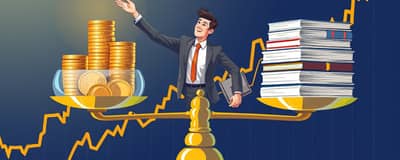
Economic cycles shape the fortunes of businesses, communities, and individuals worldwide. By understanding their patterns and developing practical strategies, you can ride each wave with confidence and emerge stronger on the other side.
Understanding Economic Cycles
Economic or business cycles consist of recurring periods of expansion and contraction. These cycles, driven by factors such as oil price shocks, innovations, and consumer sentiment, influence GDP, employment, consumer spending, and production.
Each cycle follows a sequence of four phases: expansion, peak, contraction, and trough. Recognizing where you stand in this pattern is the first step toward a proactive and strategic contingency plan that transforms uncertainty into opportunity.
Phases of the Business Cycle
The four key phases determine risks and opportunities for businesses and employees alike. The table below offers a concise overview:
Strategies for Business Owners and Entrepreneurs
Building a resilient enterprise demands foresight and adaptability. Whether you lead a startup or manage an established firm, consider these approaches to navigate each phase:
- Maintain market downturns with greater confidence by keeping cash reserves equivalent to at least three months of expenses.
- Diversify revenue streams: explore subscription models, service offerings, or complementary products to mitigate sector-specific risks.
- Invest in automation and technology during expansions to boost efficiency and reduce labor vulnerability in recessions.
- Monitor leading indicators—such as consumer sentiment and industrial production—to adjust capacity and inventory in advance.
- Forge strategic partnerships and alliances that strengthen your supply chain and expand market access.
- Implement scenario planning and stress tests, creating data-driven and informed decision making frameworks.
Preparing Your Career as an Employee
Economic cycles affect employment opportunities, compensation, and job security. By proactively managing your career, you can thrive regardless of the broader climate:
- Pursue continuous learning in high-demand skills—digital marketing, data analysis, or project management—to stay competitive.
- Build a professional network across sectors to uncover hidden opportunities when hiring slows.
- Develop a personal brand through thought leadership, online portfolios, or community involvement.
- Consider freelancing or consulting during contractions to maintain income and broaden your skill set.
- Create innovative solutions that drive growth in your role, demonstrating value even in tight budgets.
Navigating Long-Term Trends and Waves
Beyond short-term fluctuations lie longer cycles—Kitchin (3–5 years), Juglar (7–11 years), Kuznets (15–25 years), and Kondratiev (45–60 years). These waves correspond to inventory cycles, fixed investment, infrastructure growth, and paradigm-shifting technologies.
Understanding these rhythms helps you position for transformative inflection points. For example:
- Align product development with emerging technological platforms during a Kondratiev upswing.
- Invest in infrastructure-compatible services or goods when Kuznets cycles indicate public spending increases.
- Adjust inventory management as Kitchin cycles signal consumer preference shifts.
Combining long-term insight with agile execution allows you to capture the next surge in demand and avoid pitfalls when cycles reverse.
Building Resilience in Uncertain Times
Economic headwinds will always challenge the status quo. Embrace them as catalysts for innovation and renewed growth by adopting these guiding principles:
- Foster a culture of experimentation where teams test ideas quickly and learn from small failures.
- Maintain close communication with customers and employees to anticipate changing needs.
- Adopt flexible cost structures—such as modular workforces or scalable cloud services—to adjust to demand shifts.
- Keep a long-term vision centered on long-term sustainable economic growth and social impact.
- Invest in your well-being and that of your team to sustain morale and creativity during downturns.
Conclusion: Embracing the Cycle
Economic cycles are neither curses nor uncontrollable forces; they are predictable patterns offering windows of challenge and reward. By integrating continuous learning, resilient and adaptable business model principles, and deep market awareness, you can transform these fluctuations into engines of opportunity.
When you anticipate shifts, align your resources, and act decisively, you’ll not only weather the storms but emerge poised for the next wave of prosperity. Embrace the cycle, and let each phase propel you toward greater strength and innovation.