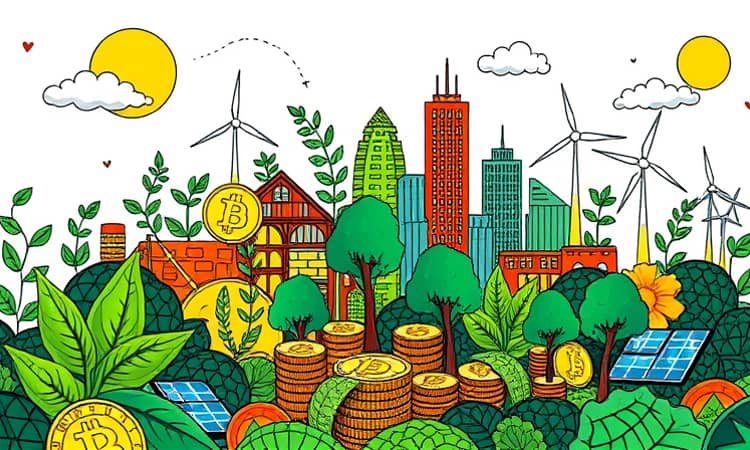
In today’s rapidly changing world, investors have the opportunity to channel their capital toward more than just profit. By embracing ESG investing, you can harness the power of finance to drive positive environmental and social change, while still pursuing strong financial returns.
Understanding the Core Principles of ESG Investing
At its heart, ESG investing evaluates companies using three key criteria: environmental, social, and governance. The environmental component examines factors such as a company’s carbon footprint, emissions reduction targets, and adoption of renewable energy. The social aspect looks at labor practices, diversity initiatives, community engagement, and employee well-being. Governance focuses on board composition, transparency, risk management, and ethical conduct.
Unlike traditional approaches, ESG investing integrates non-financial factors to offer more resilient, long-term investment strategies. This framework not only helps investors avoid companies with poor practices, but also directs capital toward those that lead in sustainability and responsibility.
The Growth Trajectory of ESG Assets
Over the past decade, demand for sustainable investments has soared. Institutional and retail investors alike are shifting toward ESG-integrated portfolios, expecting both financial performance and positive impact. The compound annual growth rate of global ESG assets under management is expected to remain in double digits through 2026, signaling robust confidence in this space.
Regionally, Europe leads the market, Asia-Pacific is the fastest-growing, and North America remains a top revenue driver. Segments like green bonds and sustainable funds continue to attract innovative new capital.
Real-World Benefits for Investors and Society
ESG investing offers a compelling value proposition that goes beyond altruism. By focusing on sustainability and ethical practices, investors can unlock tangible advantages:
- Enhanced risk management against regulatory fines and reputational damage.
- Stronger alignment with consumer and stakeholder values, boosting brand trust.
- Potential for superior risk-adjusted returns over full market cycles.
- Positive environmental and social impact that resonates with communities.
Numerous studies have demonstrated that companies with robust ESG profiles often demonstrate greater operational efficiency and innovation, leading to consistent long-term outperformance.
Overcoming Challenges and Data Gaps
Despite its promise, ESG investing still faces hurdles. A key challenge is the supply–demand gap: many investors cite difficulty finding high-quality ESG products, while asset managers struggle with inconsistent data and reporting standards.
Regulatory frameworks are evolving to address greenwashing and enhance disclosure requirements. Investors and companies must advocate for stronger transparency and standardization in ESG metrics to ensure comparability and accountability.
Economic headwinds and market volatility can also test the resilience of sustainable strategies. However, portfolios built on fundamental ESG principles have shown greater resilience in downturns by prioritizing companies with robust governance and ethical practices.
Strategies to Build a Successful ESG Portfolio
Creating an effective ESG portfolio requires deliberate planning, ongoing research, and active engagement with holdings. Consider these practical steps:
- Define clear investment goals and select ESG criteria that align with your personal values and risk tolerance.
- Diversify across sectors and geographies to capture varied sustainable opportunities and mitigate concentration risks.
- Use dedicated ESG funds or exchange-traded funds that screen companies based on third-party ratings and impact objectives.
- Engage with company management through proxy voting and shareholder advocacy to drive positive change from within.
- Monitor performance and ESG metrics regularly, adjusting your allocations as standards evolve and data improves.
Implementing these practices can help you build a portfolio that not only seeks financial growth, but also fosters measurable environmental and social outcomes.
Looking Ahead: Trends Shaping 2026 and Beyond
As we approach 2026, several trends are set to define the ESG landscape:
1. Policy momentum: New regulations will clamp down on greenwashing, requiring funds and companies to substantiate sustainability claims with robust data. 2. Technology integration: Artificial intelligence and big data will play a critical role in enhancing ESG analysis, uncovering deeper insights into corporate practices and risks. 3. Climate adaptation: Investors will increasingly finance infrastructure and technologies that build resilience to climate change, capturing new growth opportunities in transition sectors.
Looking even further ahead, public and private collaboration will be essential to scale climate finance and achieve the UN Sustainable Development Goals. Boards will prioritize diverse and specialized expertise to navigate emerging risks, while investors demand continued innovation in ESG products.
By approaching ESG investing with both heart and rigor, each of us can become a catalyst for sustainable progress. Whether you are new to sustainable finance or a seasoned practitioner, your capital can help shape a more equitable, resilient world.
Start today by reviewing your current portfolio through an ESG lens, setting actionable sustainability targets, and engaging proactively with your financial advisor. Together, we can ensure that every dollar invested serves a purpose: building a healthier planet, fairer societies, and enduring prosperity for generations to come.