Financial literacy is the bedrock of personal and societal prosperity, yet only a third of adults globally possess even the most basic financial skills. This article unveils a comprehensive roadmap for every generation to build, strengthen, and sustain financial well-being throughout life.
Starting Early: Empowering Children and Teens
The journey toward lifelong financial health begins in childhood, where habits and attitudes take root. Shockingly, only 35.2% of young Gen Z correctly answer basic financial questions, and OECD data shows 18% of students lack basic proficiency in personal finance. Early intervention can change this trajectory.
School-based programs have proven transformative: districts that mandate finance courses see students 3-5 times more engaged in budgeting, saving, and understanding credit. Meanwhile, digital natives turn to apps and online videos, though 58% still misunderstand inflation and cryptocurrency risks.
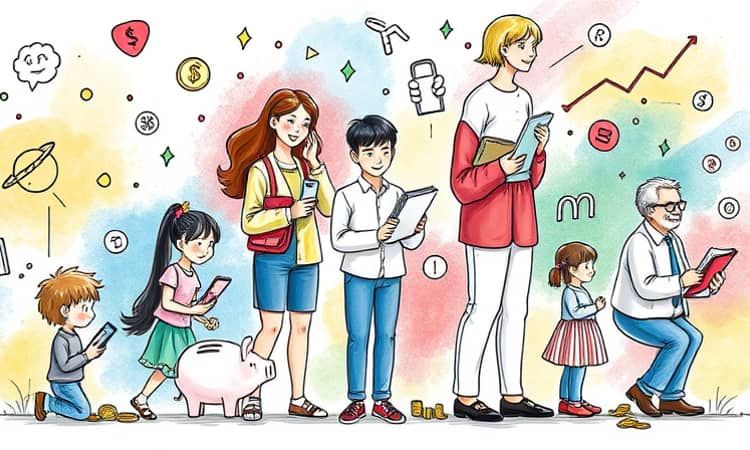
To illustrate the literacy gap across ages, consider this snapshot:
Building in Adulthood: Strategies for Millennials and Gen X
As individuals navigate careers, marriage, and parenthood, financial challenges escalate. The average consumer carries an astounding debt load of $104,755, and total U.S. household debt reached $18.59 trillion in September 2025. Yet only 30% of Americans can cover a $1,000 emergency from savings.
Workplace education programs offer a beacon of hope. Over half of employers provide retirement and budgeting workshops, driving measurable gains in employee savings rates. To amplify these benefits, adults can adopt these key tactics:
- Enroll in employer-sponsored courses to learn practical budgeting and saving techniques.
- Use mobile financial apps that track spending and investments in real time.
- Seek community workshops or webinars focusing on debt management and credit repair.
Staying Strong: Financial Resilience for Boomers and Seniors
Retirement planning and wealth preservation define the later stages of life. Boomers and seniors score highest on literacy—up to 55%—but face unique pressures: healthcare costs, market volatility, and the need for sustainable withdrawal rates.
Building an emergency fund remains critical. Households with healthy reserves are 2.5 times more resilient to shocks and report 40% less financial stress. Moreover, literate seniors can optimize retirement income by understanding Social Security claiming strategies and pension options.
The cost of financial illiteracy is substantial—averaging $1,819 per person in avoidable fees and suboptimal decisions. By contrast, well-educated retirees enjoy greater peace of mind and the freedom to pursue passions without fiscal fear.
Cross-Age Strategies and Global Lessons
Financial education never truly ends. Across decades, certain principles hold universal value. Countries with literacy rates exceeding 60% demonstrate 25% lower economic volatility and higher GDP per capita. Adopting global best practices can elevate outcomes at home.
- Maintain a three- to six-month emergency fund to weather income disruptions.
- Invest regularly, even modest amounts, to harness compound growth over time.
- Advocate for policies that mandate early financial education and accessible community programs.
From Guatemala’s high illiteracy rates to Nordic nations where fewer than 30% lack financial skills, the spectrum of outcomes underscores the power of structured learning. The OECD toolkit and World Bank Findex data point to scalable, cost-effective interventions that can be tailored to local contexts.
Ultimately, financial literacy is more than a set of facts; it’s an attitude of preparedness and confidence. By integrating education at every life stage—from primary schools to retirement seminars—society can unlock human potential and foster enduring stability.
Embark on your financial journey today—whether you’re helping a teenager open their first bank account, optimizing your 401(k), or advising a retiree on legacy planning. Each step forward contributes to a more secure future for individuals and communities alike.