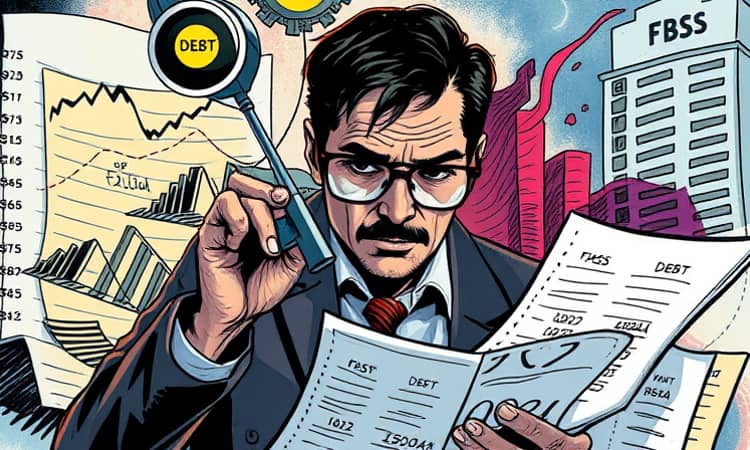
In the intricate world of corporate finance, what you see on the page is not always the full story. Beneath polished statements and glossy reports, significant debts can lie dormant.
By combining investigative rigor with financial expertise, forensic finance professionals peel back layers of obfuscation to expose these concealed obligations.
Understanding Hidden Credit Liabilities
At its core, forensic finance applies investigative techniques and legal standards to financial records. It confronts discrepancies and pursues economic reality revealed through diligent analysis.
Hidden credit liabilities encompass more than simple bank loans. They include side letters, disguised guarantees, and intra-group obligations that never appear in primary reports.
- Undisclosed or understated bank and vendor loans
- Off-balance-sheet financing through special entities
- Contingent liabilities like lawsuits and warranties
- Equity disguised as credit obligations and related-party payables
Why Hidden Liabilities Matter
Organizations rely on accurate debt profiles to assess risk. When liabilities are hidden, lenders misprice loans, investors overvalue companies, and acquirers enter deals blind to future claims.
Regulators and courts also require transparency. Undisclosed debts can distort bankruptcy priority, divorce settlements, and shareholder disputes.
- Lenders face sudden defaults when guarantees crystallize
- M&A buyers trigger post-closing disputes over value gaps
- Regulators penalize omissions, undermining market trust
- Court outcomes shift when contingent claims surface
Where They Hide: Balance Sheet and Beyond
Hidden credit liabilities can live on the balance sheet through misclassification or off it via complex structures. Recognizing these zones is key to uncovering true exposure.
Detection Techniques in Forensic Finance
Detecting hidden obligations demands a blend of data analysis, legal insight, and traditional accounting review. Each method exposes different layers of concealment.
- Document analysis of multi-year statements, tax returns, and credit reports
- Ledger scrutiny to trace secret side agreements and off-system records
- Data analytics highlighting anomalies: revenue vs. cash flow mismatches
Experienced professionals also conduct lifestyle analysis, comparing declared income to asset accumulation and spending patterns. Loans hidden in family disputes or insolvency cases often surface through unusually timed transfers.
Typical Concealment Techniques
Understanding common tricks arms investigators with a checklist of red flags:
Transaction timing games occur when payments shift around reporting dates to temporarily reduce debt. Similarly, routing disbursements via unrelated entities can obscure their ultimate purpose.
Manipulating the general ledger by burying liabilities in benign accounts such as “prepaid expenses” or “miscellaneous” hinders routine scrutiny.
In extreme cases, a second set of books or off-system records tracks debts invisible to auditors. These parallel records fuel unrecorded financial obligations that explode when due.
Forensic Toolset: A Comprehensive Approach
Forensic accountants leverage a structured methodology to ensure no liability escapes notice:
- Collect exhaustive source documents: bank statements, credit contracts, corporate filings
- Perform horizontal and vertical analysis to spot inconsistencies
- Employ data-driven software to map transaction networks and related parties
Legal collaboration fortifies findings, meeting evidentiary standards for courts. When combined with on-site inspections, witness interviews, and third-party confirmations, this unbiased, evidence-based investigation leaves little room for hidden debts.
Implications and Action Steps
For lenders and investors, integrating forensic finance reviews into credit underwriting protects portfolios from unexpected write-downs.
Acquirers should mandate forensic due diligence before signing definitive agreements. A small investment uncovering intentional structuring of transactions can save millions in post-closing disputes.
Regulators can adopt mandatory disclosure audits, while courts should recognize forensic accountants as essential experts in complex disputes.
By embracing forensic finance, organizations champion transparency, uphold fiduciary duties, and safeguard stakeholders. Hidden credit liabilities erode trust and value, but with the right tools, every shadow can be brought into the light.
As you navigate the financial landscape, remember that clarity is power. Pursue the truth beneath the numbers, and transform uncertainty into informed decision-making.