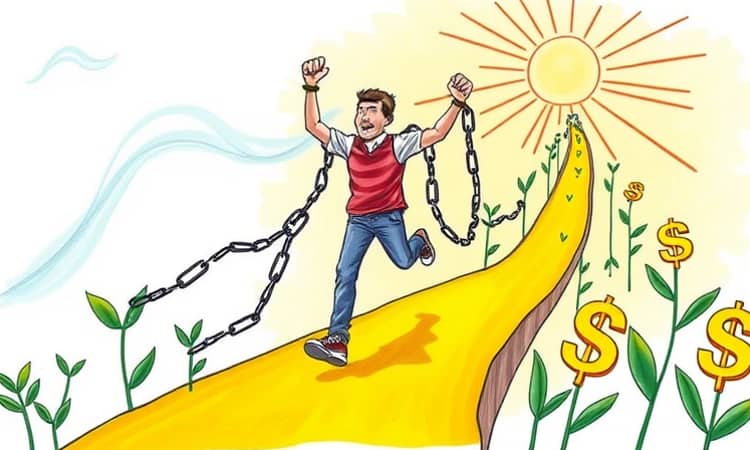
Debt often carries stigma, but in reality it's not the enemy. Instead, it can be wielded as a transformative tool—when you control it, not the other way around. This journey will teach you how to reshape your obligations into opportunities for growth.
The Dual Nature of Debt: Chains or Ladders?
Across many nations, people accumulate enormous obligations—from credit cards and auto loans to student debt and mortgages. They face high-interest consumer debt traps that compound against them, eroding their wealth and peace of mind.
Yet the very mechanism that confines can also empower. The distinction lies in the type, terms, and purpose of debt. By making that shift, you transform loans from chains into ladders.
Every journey to financial liberation unfolds in four stages:
- Stage 1: Regain control (stop the bleeding and regain control)
- Stage 2: Eliminate destructive bad debt systematically
- Stage 3: Build resilience through emergency savings
- Stage 4: Leverage good debt and investments
Distinguishing Bad Debt from Good Debt
Bad debt finances consumption rather than wealth creation. It appears as credit card balances with double-digit APRs, lavish vacations charged to your card, or lifestyle upgrades that deliver no return. These obligations crowd out your ability to save and invest.
By contrast, good debt underwrites appreciating or income-producing assets. Think of mortgages on rental properties with positive cash flow, student loans for programs that boost lifetime earnings, business financing that yields recurring profits, or securities-backed lines of credit that maintain market exposure.
Key characteristics of good debt include:
- Low, fixed interest rates and predictable payments
- Secured by assets that appreciate or produce income
- Serviced by revenue from the investment itself
Step 1: Assessing Your Financial X-Ray
The first critical step is a comprehensive inventory of all liabilities. List each debt with its creditor, outstanding balance, APR, minimum payment, due date, and whether it’s secured or unsecured. This financial X-ray reveals the true weight you’re carrying.
Next, calculate your debt-to-income ratio by dividing total monthly debt payments by net monthly income. Identify any red flags: accounts in collections, frequent late fees, or credit utilization above 30% on revolving lines. This snapshot is your starting line.
Step 2: Building a Solid Budget and Cash Flow
Armed with hard data, construct a written budget that tracks net income, fixed costs (rent, utilities, insurance), variable expenses (food, transport, subscriptions), and debt service. As the saying goes, “You can’t fix what you don’t measure.”
Analyze each expense category for potential cuts—redirect even $50 to $150 a month toward high-interest balances can shave years off your payoff schedule. Prioritize on-time payments to avoid penalties and preserve your credit score. Aim to create surplus cash flow you can deploy aggressively against debt.
Step 3: Choosing Your Payoff Strategy
When evaluating snowball and avalanche repayment methods, it’s essential to balance psychology and mathematics. The right strategy is the one you’ll actually follow.
Below is a comparison of the most popular methods:
Use online calculators or budgeting apps to simulate each path. Whichever you pick, consistency is non-negotiable—small wins compound into major victories over time.
Step 4: Consolidation, Refinancing, and Professional Help
When high rates and multiple due dates overwhelm your budget, consider a structured payment plan with lower rates. Debt consolidation can merge various obligations into a single loan at a reduced APR, simplifying payments and freeing up cash flow.
Consolidation vehicles include personal loans, 0% balance transfer cards, and home equity lines of credit. Each carries unique costs and caveats: promotional rates expire, fees may apply, and secured options risk your property if you default.
Refinancing existing loans—mortgages, auto, or student—can also yield better terms. Lower the rate to shorten your payoff timeline or reduce monthly outlays to ease your budget.
If self-directed efforts stall, professional credit counseling agencies can negotiate with creditors on your behalf and set up debt management plans. Nonprofit and for-profit organizations both operate in this space, offering the potential for reduced interest and consolidated payments. Reserve extreme measures—debt settlement or bankruptcy—for genuine emergencies, as they carry lasting credit implications.
Step 5: From Survival to Growth: Leveraging Debt Strategically
With destructive obligations eliminated, you stand at the threshold of wealth building. It’s time to deploy capital toward opportunities. Consider securing loans for rental properties with reliable cash flow, acquiring established businesses, or tapping securities-backed lines of credit to maintain market exposure.
A robust emergency fund of three to six months’ living expenses safeguards you against setbacks without reverting to high-interest borrowing. This financial cushion, paired with a strategic debt portfolio, forms the bedrock of enduring growth.
Your transformation from debt to dollars hinges on disciplined execution of these stages: assess, budget, choose a plan, consolidate wisely, and leverage productive borrowing. Follow this roadmap, and watch how you free yourself from interest payments and accelerate toward lasting prosperity.
By committing to each step and adopting an ownership mindset, you’ll not only eliminate destructive liabilities but also harness debt as a powerful engine for wealth creation. Your financial liberation begins now—take action today and build the foundation for a prosperous tomorrow.