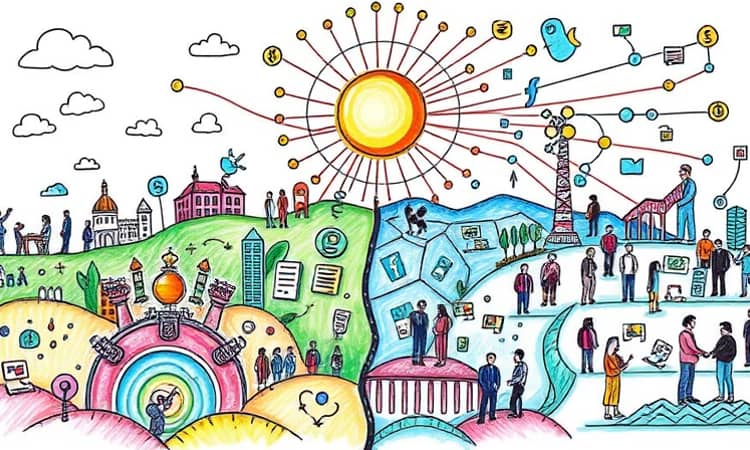
The internet is undergoing one of its most profound transformations since its inception. Moving beyond static pages and centralized platforms, the next phase promises to place control back into the hands of users, fostering transparency, security, and true ownership. As we transition from Web2 to Web3, understanding the driving forces, benefits, and challenges is vital for anyone seeking to thrive in this new digital era.
The Evolution of the Web
In its earliest days, known as Web1, the online world was primarily read-only. Visitors could fetch information but seldom interacted beyond simple links. With the dawn of Web2, dynamic content, social media, and user-generated platforms surged. However, centralized entities harvested and monetized personal data, shaping how we communicate and share.
Web3 as envisioned by pioneers like Gavin Wood aims to merge the interactivity of Web2 with the decentralization of Web1. By leveraging blockchain technology and peer-to-peer protocols, this new paradigm promises a more equitable and resilient ecosystem.
Core Differences Between Web2 and Web3
While Web2 depends on centralized servers and corporate gatekeepers, Web3 embraces distributed systems that empower individuals. The following table highlights these fundamental contrasts:
Key Principles Powering Web3
At the heart of Web3 lies a set of guiding principles and technologies that redefine how we interact online:
- Decentralized blockchain networks for distributed control, reducing censorship and downtime.
- Smart contracts automate trustless agreements, cutting out costly middlemen.
- Digital tokens and NFTs unlock new ownership models for art, real estate, and more.
- Self-sovereign identity and wallet-based access replace traditional logins and passwords.
- Modular frameworks and Layer-2 solutions tackle scalability and performance challenges.
Advantages of Embracing Web3
Adopting Web3 technologies offers a host of transformative benefits that extend beyond the realm of cryptocurrency speculation:
- True data ownership empowers each individual to control their personal information.
- Enhanced transparency through public ledgers builds trust in digital transactions.
- Incentive structures reward active participation via tokens and yield farming.
- Resistance to censorship and single failures ensures continuous access.
- Enablement of innovative business models like decentralized finance and tokenized assets.
Challenges on the Path to Decentralization
Despite its promise, Web3 faces significant hurdles on its road to mainstream adoption. Recognizing these challenges is key to developing practical solutions:
- Steep learning curve for non-technical users learning wallets and smart contracts.
- High computational and energy requirements for many blockchain networks.
- Scalability limitations without robust Layer-2s or sharding solutions.
- Transparency trade-offs exposing transaction history to all participants.
- Integration hurdles with existing Web2 infrastructure and legacy systems.
Real-World Transformations and Use Cases
Beyond theoretical benefits, Web3 is already reshaping industries and communities through practical applications. Decentralized finance platforms allow users to lend, borrow, and trade without traditional banks. NFT marketplaces have created novel avenues for creators to directly monetize their work and build global fanbases.
In supply chain management, blockchain provides immutable traces of provenance, improving transparency and reducing fraud. Decentralized autonomous organizations (DAOs) demonstrate new governance models where stakeholders vote on proposals, funding, and strategic direction without centralized oversight.
Looking Ahead: A Hybrid Future
Web3 is unlikely to fully replace Web2 overnight. Instead, we will witness a hybrid internet, where centralized services coexist and interoperate with decentralized protocols. This synergy can deliver enhanced user experiences while gradually shifting power toward individuals and communities.
Enterprises are exploring token-based loyalty programs, identity solutions, and blockchain auditing to augment current systems. Meanwhile, developers refine tools and abstractions to lower barriers, making Web3 more accessible for the next billion users.
Ultimately, this paradigm shift heralds a more equitable digital ecosystem—one where users truly own their online presence, engage directly with services, and reap the rewards of their contributions. Embracing Web3 today means pioneering the future of the internet, fostering innovation, and shaping a more inclusive world.