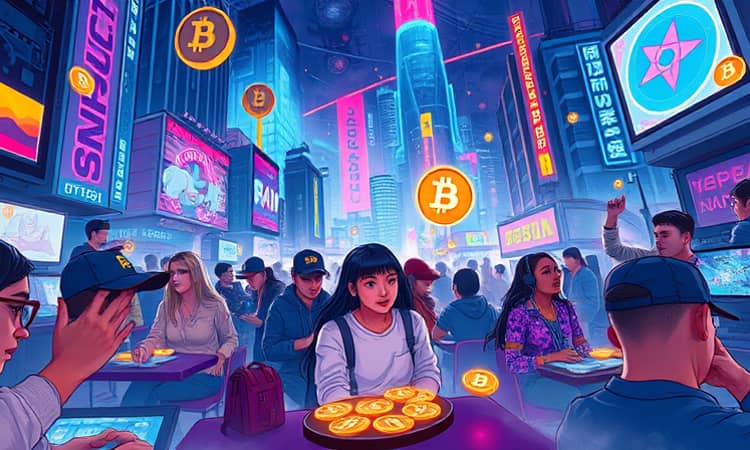
The world of gaming has entered a revolutionary era where digital assets gain real value through decentralized platforms. No longer confined to virtual achievements alone, players can now earn real income from in-game successes. This paradigm shift is propelling the gaming industry toward unprecedented growth and innovation.
Blockchain gaming marries engaging entertainment with financial opportunities, creating a symbiotic relationship between developers, investors and players. Whether you are a seasoned gamer or new to the scene, understanding this landscape can unlock transformative financial potential and immersive experiences that redefine the concept of virtual ownership.
Explosive Growth in Blockchain Gaming
Industry analysts forecast a staggering increase in the size of the blockchain gaming market over the next decade. While estimates vary due to differing methodologies, all projections highlight intense expansion fueled by P2E models and NFT integration.
A consensus among leading research firms indicates that revenue could climb from tens of billions of dollars today to over a trillion by 2034. Such growth is driven by technological advancements, investment inflows and rising consumer awareness of decentralized economies.
These projections underscore the potential scale of opportunity, with North America currently leading adoption at over 24% market share. As blockchain protocols evolve, we can expect deeper integration of virtual reality, decentralized finance and community-driven content creation.
Understanding the Play-to-Earn Model
At the heart of blockchain gaming lies the Play-to-Earn system, which rewards players with cryptocurrency tokens or NFTs for participating in challenges, quests and competitive events. This model flips the traditional pay-to-play structure on its head.
Players accumulate assets by engaging with the game. Each asset, whether a unique NFT item or a fungible token, is recorded on a blockchain, ensuring transparent ownership. The result is a true digital economy where gamers can monetize their skills and time.
- Core mechanics: Immutable ledgers track player achievements and reward distributions.
- Asset types: NFTs for unique items; tokens for currency and governance.
- Earnings process: Play → Earn assets → Store in wallet → Trade or sell.
This model not only offers financial incentives but also promotes deeper engagement, as players become stakeholders in the game’s ecosystem. The potential for long-term value creation is immense, encouraging both casual and competitive gamers to explore blockchain-based titles.
Real-World Examples and Impact
Several pioneering titles have demonstrated the viability of the Play-to-Earn approach, delivering tangible rewards and inspiring a new generation of blockchain games.
- Axie Infinity (Creature Battle): Players breed, battle and trade Axies to earn Smooth Love Potion tokens.
- Decentraland (Virtual Land): Users purchase land parcels, host events and collect rent in MANA tokens.
- CryptoLand (Strategy/Economy): Daily asset production fuels trading across marketplaces.
- STEPN (Move-to-Earn): Physical activity tracking converts steps into GMT tokens, merging fitness and gaming.
These examples illustrate how blockchain gaming can cater to diverse interests—from strategic battles to immersive social spaces and even health-focused applications. Each platform fosters its own community, driving adoption through innovation and rewarding participation.
Building Sustainable Blockchain Ecosystems
Beyond immediate rewards, sustainable growth depends on community governance and robust economic design. Decentralized Autonomous Organizations (DAOs) empower players to vote on development updates, tokenomics and in-game policies, fostering a sense of agency and shared purpose.
Incentive structures such as staking rewards and governance tokens align stakeholder interests. By reinvesting a portion of transaction fees into development grants, ecosystems can fund ongoing innovation and maintain healthy long-term engagement.
Benefits and Challenges
Embracing blockchain gaming presents a range of benefits and obstacles that players and developers must navigate to fully realize its potential.
- Benefits: True digital ownership; new revenue streams; community governance; interoperable assets.
- Challenges: Market volatility; upfront investment; security risks; regulatory uncertainty.
While the allure of earning crypto and NFTs is strong, participants should be aware of price fluctuations that can impact asset value. Additionally, initial costs such as NFT minting fees or in-game token purchases can be a barrier for newcomers.
Security is paramount in decentralized environments. Players must safeguard private keys and choose reputable wallets to avoid phishing attacks and theft. On the regulatory front, evolving policies around digital assets could influence market dynamics and user protections.
Emerging Trends and Future Outlook
The trajectory of blockchain gaming extends well beyond current models, fueled by emerging technologies and evolving player expectations. VR/AR integration promises immersive worlds where users interact physically with blockchain assets in real time.
Artificial intelligence could generate dynamic storylines and adaptive challenges, tailoring experiences to individual playstyles. Chainlink VRF and other oracle networks ensure provably fair randomization, enhancing trust in loot boxes and other mechanics.
Interoperability between games, enabled by layer-2 scaling and cross-chain bridges, may allow players to transfer NFTs and tokens seamlessly across diverse ecosystems. Strategic partnerships between gaming studios, blockchain consortia and hardware manufacturers are laying the groundwork for standardized protocols.
Regionally, Asia-Pacific and Latin America are emerging as growth hotspots, driven by mobile-first gaming cultures and rising crypto adoption. As educational initiatives and intuitive interfaces lower onboarding barriers, broader audiences will discover the benefits of blockchain-based entertainment.
Conclusion
Blockchain gaming represents a profound shift in how we play, earn and interact within virtual worlds. By marrying entertainment with real economic value, P2E platforms empower players to transform their passion into profit.
As the market continues to evolve, staying informed and prepared will enable you to navigate opportunities and challenges successfully. Whether you’re a gamer seeking new experiences or an investor eyeing innovation, the blockchain gaming frontier offers a vibrant ecosystem with immense growth and creative potential.
Step into this emerging arena, explore diverse titles and embrace the chance to be part of a community where play truly meets profit. The future of gaming is being written on the blockchain—will you claim your stake?