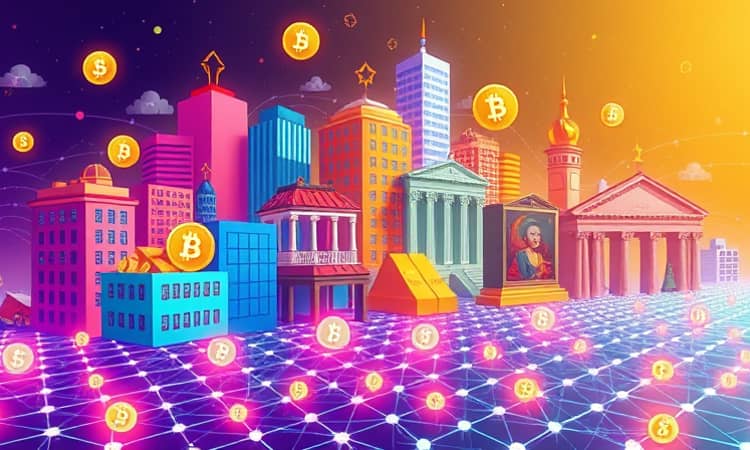
The tokenization of tangible and intangible assets is revolutionizing how we perceive and participate in global finance. By representing physical items as digital tokens, the blockchain era is ushering in an age of unprecedented access and liquidity. From real estate to fine art, commodities to bonds, nearly every asset can be brought onchain and managed in a decentralized framework. In this article, we explore how tokenization works, its benefits, challenges, and the transformative power it holds for investors worldwide.
As traditional markets evolve, the integration of real-world assets into the blockchain ecosystem promises to reshape the financial landscape. This shift not only streamlines processes but also invites a broader audience to engage with high-value investments. The convergence of physical assets and digital infrastructure stands to democratize wealth creation and foster new avenues of economic participation.
Defining Real-World Assets and Tokenization
Real-World Assets (RWAs) encompass a wide range of tangible and intangible holdings, including real estate, commodities, equities, artwork, intellectual property, and even collectibles. Through tokenization, each asset’s value or ownership rights are converted into discrete digital tokens on a blockchain, enabling onchain management and trading.
The process of tokenization can be distilled into key steps that ensure legal compliance, technical integrity, and robust governance.
- Asset selection and valuation process: Identify the underlying asset and establish its market value.
- Token specification and configuration: Choose between fungible (ERC20) or non-fungible (ERC721) standards, define features like lockup periods, voting rights, and revenue sharing.
- Legal structuring and custodial setup: Implement frameworks for ownership transfer and appoint custodians for off-chain asset custody.
- Token issuance on chosen blockchain: Deploy smart contracts for minting and managing tokens, ensuring interoperability across networks.
- Secure custody and audit mechanisms: Safeguard both the physical assets and their digital representations through encryption and third-party audits.
Once issued, these tokens can be fractionally owned, traded around the clock, and integrated into decentralized finance protocols to serve as collateral, liquidity, or yield-generating instruments.
Illustrative Examples of Tokenized Assets
Tokenization is not merely theoretical; it is already reshaping various industries. Real estate projects around the world now offer fractional ownership and global trading of luxury properties, enabling investors to hold shares in high-value apartments or commercial buildings for as little as a few hundred dollars.
Fine art and collectibles, traditionally accessible only to elite collectors, can now be traded as NFTs with immutable provenance, reducing the risk of forgery and enhancing trust. Commodities like gold, oil, and agricultural products find new markets via digital tokens that represent physical reserves stored in secure vaults.
Financial instruments, including corporate bonds, government treasuries, and exchange-traded funds, are also entering the tokenization sphere. These digital versions maintain real-time price feeds and can be programmed to execute interest payments automatically through smart contracts.
Key Benefits and Market Impact
Tokenization unlocks a host of advantages that address long-standing inefficiencies in traditional finance.
- democratize access to high-value assets by lowering investment minimums and enabling fractional stakes.
- fully transparent and auditable records thanks to decentralized ledger technology that records every transaction immutably.
- automated settlements and minimized intermediaries through self-executing smart contracts that reduce processing times and fees.
- bridge between traditional finance and blockchain ecosystems, fostering new products and hybrid solutions.
According to recent data, the potential market size for tokenized real-world assets spans hundreds of trillions of dollars. As decentralized finance protocols integrate these onchain representations, Total Value Locked (TVL) in RWAs has already surpassed several billion dollars, marking a significant milestone in the evolution of digital finance.
Challenges and Risk Mitigation
Despite its promise, tokenization of physical assets introduces specific challenges that require careful attention. Regulatory uncertainty remains a significant barrier, as legal frameworks differ across jurisdictions and may lag technological progress. Ensuring that tokens confer clear ownership rights, dividend entitlements, or voting privileges demands robust legal structuring and collaboration with compliance experts.
Security concerns also arise at both the digital and physical levels. Protecting smart contracts from hacks and safeguarding custodial assets in the real world necessitate multi-layered defenses, regular audits, and insurance mechanisms. Additionally, reliance on price oracles and off-chain data feeds introduces potential points of failure, underlining the need for diversified and reliable oracle solutions.
Future Outlook: Redefining Global Finance
As blockchain technology matures, tokenized real-world assets will play an increasingly central role in global finance. Innovative protocols are already exploring RWA-backed stablecoins, fractional asset lending, and yield farming opportunities built on tangible collateral. Projects like MakerDAO’s expansion into real-world collateral for stablecoin backing demonstrate the growing appetite for such use cases.
In the coming years, we can expect deeper integration between permissioned networks and public blockchains, enabling compliant onboarding of institutional capital. Cross-chain solutions will facilitate seamless movement of RWA tokens across diverse ecosystems, enhancing liquidity and fostering a unified marketplace for all asset classes.
safeguard physical assets with robust custody will remain paramount, and collaboration between tech innovators, custodians, and regulators will define the pace of adoption. Ultimately, tokenization represents a powerful catalyst for financial inclusion, enabling individuals worldwide to access, trade, and benefit from assets that were once out of reach.
By harnessing the transparent, programmable, and global nature of blockchain, real-world assets onchain have the potential to create a more equitable financial system—one where opportunity is not limited by geography or capital size, and where the value of tangible and intangible wealth can be shared broadly and efficiently.