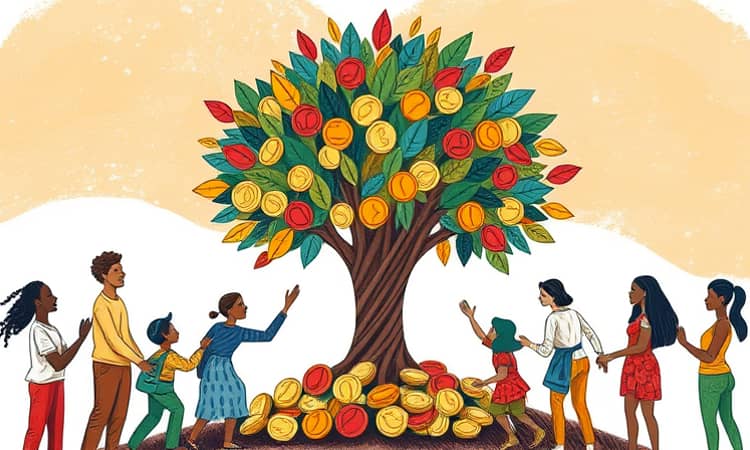
Charitable giving is more than a transaction—it’s an act of hope, compassion, and shared purpose. As new tax rules take effect in 2026, donors have a unique opportunity to align heartfelt generosity with strategic planning. This guide offers both inspiration and practical tools to ensure every gift makes a true difference.
Whether you’re a first-time donor or a seasoned philanthropist, understanding the landscape empowers you to give confidently and wisely. Let’s explore how to transform your generosity into lasting impact.
Understanding the 2026 Tax Landscape
The 2026 tax law brings several significant changes that affect how individuals and corporations deduct charitable contributions. By grasping these shifts, you can tailor your giving to maximize both impact and tax benefits.
- Universal deduction for non-itemizers: $1,000 per individual, $2,000 for married couples filing jointly.
- 0.5% AGI floor for itemizers: Only donations exceeding this threshold qualify.
- 1% taxable income floor for corporations: Gifts must exceed this limit to be deductible.
- Reduction in high-earner deduction rate: Drops from 37% to 35% effective value.
These adjustments benefit nearly 90% of American taxpayers who use the standard deduction and invite strategic planning from those who itemize.
Strategic Approaches to Smart Giving
Meeting your philanthropic goals under the new rules requires thoughtful strategies. Here are proven methods to optimize both your impact and your tax position.
1. Gift Acceleration
Accelerating planned contributions into 2025 can lock in more favorable deductions before rules change. For major gifts, consider:
- Prepaying two to three years of gifts in a single year.
- Documenting the accelerated donations for IRS clarity.
- Coordinating with a tax advisor to validate timing.
This approach is ideal if you foresee a significant charitable outlay and want immediate tax relief.
2. Gift Bunching and Donor-Advised Funds
When annual giving falls below the 0.5% AGI floor, bunching several years into one can avoid wasted deductions. You can:
- Contribute to a donor-advised fund (DAF) in a high-giving year to secure an immediate deduction.
- Then recommend grants to charities over subsequent years.
This method offers flexible timing for charitable distributions and simplifies recordkeeping.
3. Non-Cash Asset Contributions
Gifting appreciated assets like stock, real estate, or cryptocurrency provides dual benefits: you avoid capital gains tax and claim a deduction for fair market value (subject to floor rules). Key steps include:
- Confirming the asset’s long-term holding status.
- Appraising real estate or privately held assets professionally.
- Coordinating with brokerage or legal counsel to transfer titles smoothly.
This strategy can amplify your philanthropic reach while preserving cash for personal use.
4. Retirement Account Distributions
Qualified charitable distributions (QCDs) from IRAs bypass income tax on the transfer and satisfy required minimum distributions. For donors over age 70½:
Give directly from your retirement account to a public charity to benefit from tax-free distributions that support causes you care about.
5. Estate and Charitable Planning
Long-term philanthropic legacies are best built through comprehensive estate strategies. Consider:
- Lifelong gifts to reduce your taxable estate.
- Charitable remainder trusts to provide income and eventual gift to charity.
- Updating beneficiary designations on retirement plans for charitable heirs.
With the estate tax exemption now at $15 million per person, you have room to plan significant transfers while protecting loved ones.
Implementation Timeline
Strategic giving success requires clear deadlines. Use this timeline as a roadmap:
- Before end of 2025: Model scenarios with advisors, accelerate gifts, open DAFs, and review non-cash assets.
- 2026 tax year: Track giving under new floors, coordinate personal and corporate donations, monitor AGI.
- Ongoing: Adjust strategies annually, reassess income changes, stay informed on legislative updates.
Bringing Heart and Strategy Together
At its core, charitable giving is about making a difference in the world—helping communities thrive, advancing scientific research, or supporting artistic expression. While tax incentives are powerful motivators, they should complement, not overshadow, your philanthropic vision.
By combining values-driven purpose with informed planning, you can ensure your gifts create meaningful change for generations to come.
Final Thoughts
The 2026 tax changes introduce complexity but also open doors to innovative giving strategies. Whether you’re excited by the universal deduction or intrigued by non-cash gifts, now is the time to act. Engage with financial and tax professionals, articulate your philanthropic goals, and apply tactics that amplify both your impact and tax efficiency.
Your generosity can spark hope, build resilience, and cultivate a brighter future. With the right approach, every dollar you give becomes a catalyst for positive change.