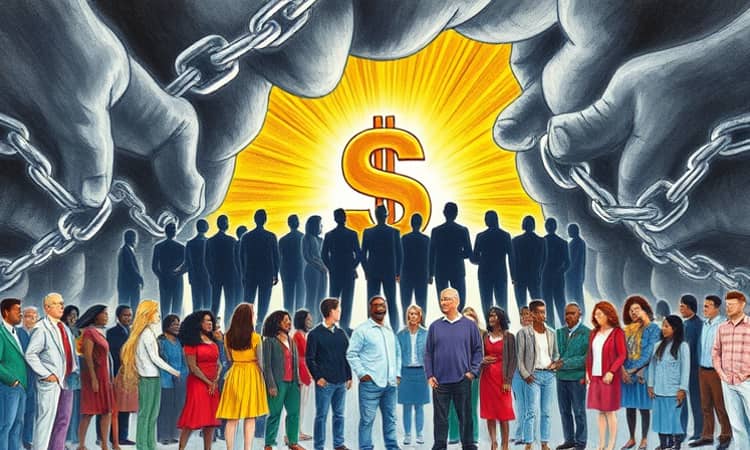
Every day, millions of hardworking individuals face the burden of debt. Some loans empower progress—buying a home, funding an education, or to weather an emergency. But when lenders cross the line into exploitation, the consequences can be devastating.
In this article, we shine a light on predatory lending: how it operates, whom it targets, and most importantly, how you can protect yourself and your community from its grasp.
Understanding Predatory Lending
Predatory lending involves abusive, unfair, or deceptive practices designed to trap borrowers in a cycle of high-cost debt. Lenders may disguise sky-high interest rates, tack on hidden fees, or extend loans without assessing a borrower’s ability to repay.
Some hallmark features include:
- Double-digit interest rates up to 35%
- Origination fees exceeding 5%
- ‘Junk’ fees for processing, insurance add-ons, or late payments
- Balloon payments and interest-only installments
These tactics turn small balances into crushing obligations, sometimes scaling into six-figure debts that take decades to repay.
The Human Cost: Personal Stories
Consider Maria, a single mother who needed $2,000 to repair her car. Promised quick approval, she agreed to a short-term loan with 431% APR after fees. Within months, her payments ballooned from $200 to $350 per month. Struggling to keep up, she fell into delinquency and saw her credit score plummet.
Or take Jamal, who attended a for-profit college. Seduced by promises of a promising career, he borrowed student loans carrying unlimited, unregulated debt. Years after graduation, he earned little more than a diploma—while his debt mounts daily with hidden servicing fees and misleading information.
These stories illustrate the real-world impact: financial stress, damaged credit, and a lost sense of security.
Statistics and State-Level Trends
Predatory lending is not confined to isolated cases. Recent studies reveal startling figures:
In 2025, over 8.8 million federal student borrowers defaulted on more than $92 billion in debt. Installment loans with unregulated fees pushed minorities and low-income households into untenable financial positions.
State regulations vary widely. While 19 states and DC cap APR at 17–36%, 13 states allow rates up to 60% or more. Some have no caps at all, leaving borrowers dangerously unprotected.
Recognizing the Warning Signs
Awareness is your first line of defense. Watch for these red flags:
- Excessive interest rates or fees above legal limits
- Loan terms that ignore your ability to repay
- Guaranteed forgiveness or relief in exchange for upfront fees
- Obscured rate structures (e.g., “24% + 0.7% per day”)
If you encounter any of these practices, pause before signing. Ask questions. Seek trustworthy advice from nonprofit credit counselors or legal aid services.
Empowering Strategies and Resources
You don’t have to face predatory lenders alone. Here are practical steps to protect your finances:
- Compare multiple offers, focusing on APR and total cost
- Request a detailed amortization schedule before agreeing
- Consult nonprofit credit counseling agencies for guidance
- Report suspicious activity to the CFPB or your state attorney general
Additionally, consider alternatives such as credit unions, peer-to-peer lending, or community development financial institutions that typically offer fair rates and transparent fees.
Policy Solutions and Collective Action
Meaningful change requires collective advocacy and stronger regulations. Experts recommend:
- Federal caps on APR at 36% for small loans, with stricter limits for larger sums
- Prohibition on junk fees and deceptive add-ons
- Mandatory ability-to-repay assessments and clear disclosures
- Stringent enforcement against rent-a-bank schemes
Support organizations working on these reforms. Write to your representatives, sign petitions, and participate in community forums. Your voice can influence policy and protect vulnerable neighbors.
Conclusion: Taking Back Control
Predatory lending thrives in the shadows, feeding on financial vulnerability. But knowledge is power. By understanding the tactics, recognizing the warning signs, and advocating for stronger protections, you can take back control of your financial future.
Let this article be your call to action: review your loan agreements, educate your friends and family, and stand up for fair lending practices. Together, we can turn the tide against exploitative debt and build a more equitable financial system.