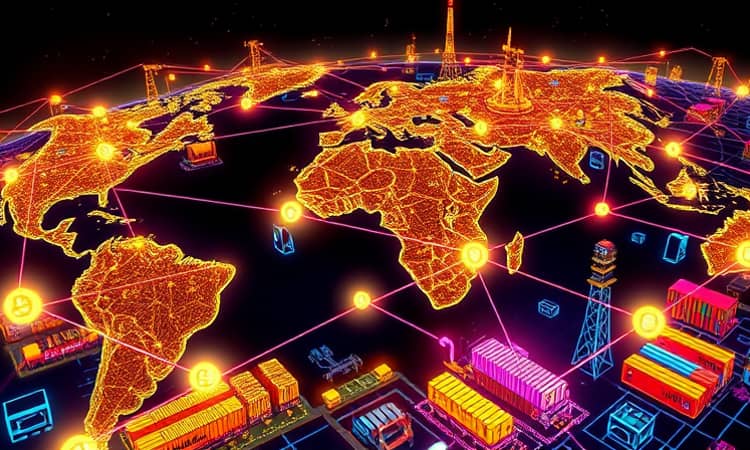
By 2026, supply chains are evolving from fragmented networks into dynamic, transparent ecosystems powered by immutable, shared ledgers without central authorities. Companies that embrace blockchain today can unlock new efficiencies, deepen trust, and build resilience against global disruptions. This article explores the transformative impact of blockchain, offering practical insights and inspiring examples to guide your journey.
Supply chain disruptions, from pandemics to geopolitical tensions, have exposed vulnerabilities in traditional systems. Blockchain offers a path to transform these weak points into strategic advantages, enabling companies to adapt, predict, and respond in near real time. By embedding trust at the technical layer, stakeholders gain greater visibility and control over every transaction, drive sustainability, and foster customer loyalty through verifiable provenance.
Market Size and Growth Projections
With a current valuation of USD 1.77 billion and a projected CAGR of 47.65% through 2031, blockchain in supply chain is poised for explosive growth. By 2031, the market is expected to soar to USD 12.41 billion, driven by innovations like tokenized asset tracking and automated reconciliation. Early adopters report remarkable outcomes, including up to 90% reductions in invoice processing cycle times. These numbers underscore a clear message: blockchain is moving from pilot phases to mainstream deployment.
Key Benefits of Blockchain in Supply Chain Management
Blockchain technology delivers a suite of advantages that address longstanding supply chain challenges:
- Proactive risk mitigation replaces redundancy: Real-time disruption detection helps companies reroute critical materials before delays occur.
- ESG and sustainability tracking for Scope 3: Full traceability ensures ethical sourcing and regulatory compliance at every step.
- Cost reductions through automated smart contracts: Payments and reconciliations execute automatically when predefined conditions are met.
- Seamless interoperability with existing systems: Integrates with IoT sensors, AI forecasting tools, and ERP platforms as an add-on layer.
- Efficiency gains lowering shipping times by 40%: Faster deliveries, fewer disputes, and accelerated working capital release improve cash flow.
Core Technologies and Integrations
Blockchain’s power is magnified when combined with complementary innovations. Executives and technical teams can leverage a multi-layered approach:
- Smart contracts for automated milestone verification: Ensures supplier payments trigger upon delivery confirmation without manual invoices.
- Hybrid blockchain configurations for scalability: Off-chain transactions and layer 2 protocols balance speed and security.
- IoT-driven real-time asset monitoring: From blueberry freshness sensors to refrigerated container tracking, live data feeds into the ledger.
- AI-powered demand forecasting and digital twins: Predictive models sync with blockchain records for proactive replenishment planning.
- Tokenization of goods into programmable assets: Self-executing settlements reduce counterparty risk and simplify audits.
Real-World Case Studies
Leading organizations have moved beyond theory, showcasing tangible results across diverse industries. The following table highlights select use cases:
From diamonds to dairy, these pilots prove that blockchain can standardize records, prevent fraud, and enhance stakeholder trust in virtually any sector.
Challenges and Bottlenecks to Wider Adoption
Despite its promise, blockchain faces several challenges that require strategic planning and collaboration. Scalability remains constrained by node computing power, prompting interest in sharding and layer 2 solutions. Many organizations express hesitancy due to the technology’s relative newness and the lack of long-term track records in certain industries. Supplier integration hurdles persist, as partners must align on data standards and adapt legacy systems. Additionally, geopolitical volatility and evolving trade policies add complexity to global deployments.
Addressing these challenges calls for joint efforts among consortia, regulators, and technology providers to establish standards and shared best practices. By fostering a culture of cross-company collaboration and transparency, organizations can unlock network effects that drive faster adoption and stronger digital ecosystems.
Future Outlook and 2026 Trends
As we navigate a complex global landscape, blockchain emerges as a cornerstone of resilient and sustainable supply chains. Key trends to watch for 2026 include:
- Expansion of end-to-end visibility with integrated control towers linked to ERPs and WMS platforms.
- Automation at scale through advanced smart contracts that handle multi-party settlements.
- Broader ESG traceability, enabling transparent reporting on carbon footprints and ethical labor practices.
- Nearshoring and regional supply networks powered by distributed ledger technology.
- Combination of generative AI, digital twins, and tokenized assets to shift from reactive operations to proactive decision-making.
In this rapidly evolving environment, companies that embrace blockchain as a strategic catalyst will gain a critical edge. Early adopters are already reaping the benefits of enhanced visibility, lower costs, and primed agility to tackle supply chain disruptions head-on.
Conclusion
Blockchain is not just a buzzword; it represents a transformative force reshaping the very foundations of supply chain management. By harnessing transparent, secure, and automated processes, businesses can foster trust across stakeholders, drive sustainability goals, and build supply chains that withstand unforeseen challenges.
Whether you are a decision-maker crafting a digital strategy or a supply chain professional exploring emerging technologies, now is the time to explore blockchain pilots, join industry consortia, and invest in the talent and partnerships needed to succeed. The future belongs to those who navigate complexity with innovation, and blockchain stands ready to light the path forward.