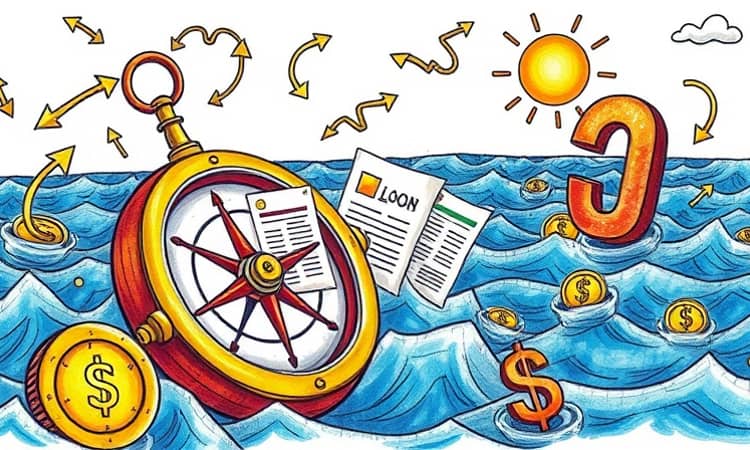
In an era defined by rapid market swings, inflationary pressures, and tightening credit standards, traditional borrowing can feel like navigating a storm without a compass. Future-proof loans offer an adaptable framework designed to withstand economic volatility like recessions while ensuring borrowers retain financial stability. From sweeping federal student loan reforms launching in 2026 to innovative state programs, these new structures promise resilience, transparency, and fairness for every borrower.
This article explores the key reforms, the economic forces behind them, and practical strategies to secure the most adaptable loan for your future.
Understanding Future-Proof Loans
Future-proof loans embed flexibility into their core. They dynamically adjust repayment rates, borrowing limits, and subsidy triggers to align with changing economic conditions and borrower circumstances. Unlike fixed-rate, fixed-term products, they can:
- Link payments to income, capping monthly obligations
- Prevent negative amortization through automatic subsidies
- Cap overall borrowing to discourage unsustainable debt levels
- Offer limited deferment that protects long-term program health
By combining subsidized interest waivers and principal credits when incomes are low, these plans guard against runaway balances and default risk. Borrowers gain the peace of mind that payments will never outstrip their actual capacity.
2026 Federal Student Loan Reforms: A New Era
Effective July 1, 2026, under the One Big Beautiful Bill Act (OBBBA) and RISE Committee changes, the Department of Education replaces multiple income-driven repayment plans with two core options: the Tiered Standard Plan and the Repayment Assistance Plan (RAP). These reforms aim to reduce federal costs by $271 billion over a decade while ensuring fairness and sustainability.
These reforms also eliminate new Graduate PLUS loans and phase out certain deferments for loans originated after mid-2027. By standardizing options to reduce government subsidies, the goal is a more resilient system that protects both taxpayers and borrowers.
Economic Forces Shaping Borrowing
Between 2022 and 2026, tightening credit standards and macroeconomic shifts dramatically reshaped lending. Key factors include:
- Banking risk aversion: Post-pandemic and post-bank failures, lenders trimmed small business and consumer credit lines steeply.
- Inflation and uncertainty: In a 2025 survey, 71% of consumers feared unexpected expenses, up from 58% in 2023.
- Recessionary pressures: Higher interest rates led to stricter criteria, fewer approvals, and elevated unemployment.
- Growth cycles: Periods of economic expansion temporarily eased standards, but volatility returned quickly.
These headwinds underscore why static loan products often leave borrowers vulnerable. Future-proof loans, by contrast, adjust to these very forces.
Strategies to Future-Proof Your Loans
Whether you’re a student, homeowner, or small-business owner, proactive steps can optimize your borrowing:
- Lock in pre-2026 benefits: Originating loans before July 1 secures legacy repayment options.
- Target income-linked plans: Choose RAP or state analogs to ensure payments align with income.
- Monitor lending standards: Use the Fed’s Senior Loan Officer Opinion Survey (SLOOS) to time applications.
- Limit unnecessary borrowing: Stay under aggregate caps to avoid higher rates and restricted access.
- Leverage automatic relief: Enroll in programs that offer auto-forbearance when earnings dip.
By combining these tactics, borrowers can navigate uncertain economies without sacrificing long-term goals.
Case Study: Texas FORWARD Loan Program
Texas has pioneered a state-level future-proof model through its FORWARD Loan initiative. This program offers:
- Low fixed interest rates tied to workforce demand.
- Debt-to-income caps of 10% to ensure affordability post-graduation.
- Terms up to 10 years with annual recalculation based on income, interest rates, and total debt.
- Automatic forbearance when projected earnings fall below thresholds.
Graduates in high-value credential programs find this structure particularly appealing, as it aligns repayments with real-world earnings and prevents unmanageable debt growth.
Preparing for Tomorrow’s Financial Landscape
As digital lending platforms, AI-driven underwriting, and decentralized finance gain traction, the loan landscape will continue evolving. To stay ahead:
• Educate yourself on emerging products: Watch for pilot programs incorporating real-time income verification and dynamic interest rates.
• Strengthen financial literacy: Understand cash flow forecasting and basic economic indicators.
• Advocate for transparent policies: Engage with policymakers to promote subsidies and caps that curb overborrowing.
By embracing these shifts, borrowers not only protect themselves but also shape a more resilient financial ecosystem for all.
Conclusion
Economic uncertainty need not translate into personal hardship. Future-proof loans represent a paradigm shift: they blend flexibility, fairness, and foresight to create borrowing solutions built for change. Whether through federal student loan reforms, state innovations like Texas FORWARD, or emerging fintech offerings, the tools exist today to secure a stable financial future. By understanding the mechanisms at play and adopting strategic approaches, every borrower can transform economic headwinds into pathways for growth.