In a world defined by shifting alliances, tariff battles, and economic slowdowns, everyday consumers feel the ripple effects in their own budgets. Whether it’s at the grocery store checkout or reviewing your investment portfolio, global events shape the financial choices you make.
By understanding these forces and adopting proactive strategies, you can transform uncertainty into an opportunity to build resilience and pursue your long-term goals.
Below, we explore the key drivers of 2026, the top risks on the horizon, and practical approaches to safeguard your savings.
Global Economic Outlook and Projections for 2026
Various institutions forecast subdued growth in 2026, held back by trade friction, high debt levels, and uneven recovery paths. The United Nations Conference on Trade and Development (UNCTAD) sees world GDP at 2.7%, below pre-pandemic norms. The International Monetary Fund (IMF) offers a slightly rosier 3.3% pace, but warns of uneven regional gains.
Key drivers include US fiscal expansion and rate cuts, alongside breakthroughs in artificial intelligence. Yet headwinds persist from Europe’s tepid recovery and China’s property downturn.
For consumers, slower growth often means higher consumer prices and reduced growth in wages. Recognizing these trends helps you set realistic expectations about job markets and cost of living pressures.
Top Global Risks Impacting Wallets
The World Economic Forum and other bodies identify the top threats that could derail your budget. Geoeconomic confrontation takes the top spot, driven by tariffs and export controls. Simultaneously, persistent inflation and the threat of asset bubbles heighten vulnerability.
- Geoeconomic confrontation: Tariffs, supply chain weaponization
- Economic downturn: Debt sustainability concerns
- Persistent inflation: Commodity price volatility
- Asset bubble risks: Overvalued tech and AI hype
With over half of experts predicting turbulent conditions over the next two years, preparing in advance is essential. By acknowledging these risks, you can build a resilient financial safety net to cushion against market shocks.
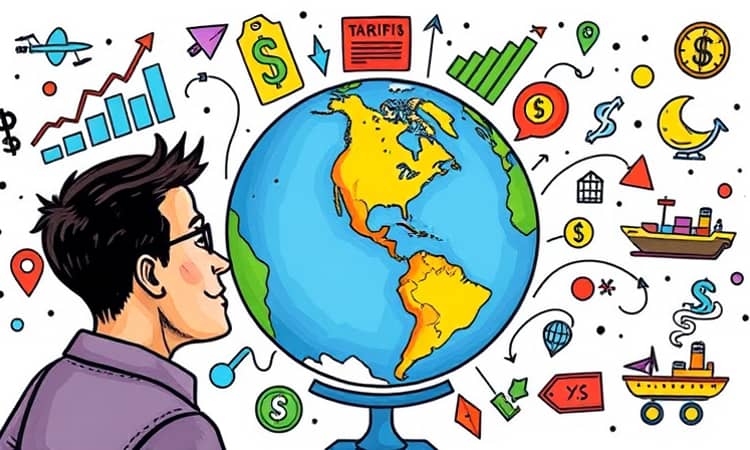
Trade Tensions and Tariffs
Trade restrictions are at their highest level since the 1890s. US tariffs average 25.5% on major imports, dragging growth by an estimated 1% in 2025. European auto and steel exporters still face new duties despite recent concessions.
Higher import costs translate into steeper retail prices for appliances, electronics, and even food items. Supply chain adjustments also introduce unpredictability in product availability.
Consumers can respond by:
- Shopping seasonally and locally to avoid imported price spikes
- Stocking up on non-perishables when prices dip
- Comparing bulk and subscription options for everyday goods
Smart purchasing choices help you embrace proactive budgeting and risk management in the face of shifting trade policies.
Geopolitical and Conflict Risks
Persistent tensions—whether in Eastern Europe, South Asia, or the Middle East—carry both human and economic costs. Oil price swings from Venezuela or Iran can feed into gasoline and heating bills. Military escalations disrupt shipping lanes, fuelling freight surcharges that trickle down to consumers.
On the bright side, diversified energy sources and strategic reserves temper extreme volatility. Still, staying informed on global hotspots allows you to anticipate potential price spikes and adjust travel or consumption plans accordingly.
Key Events to Monitor in 2026
Certain summits and policy reviews hold outsized influence on market sentiment. Keeping an eye on these dates enables you to align major financial moves—like refinancing a mortgage or rebalancing a portfolio—with periods of greater clarity.
- USMCA review (July 1): May shift nearshoring incentives
- G20 and APEC gatherings: Signals on trade and climate policy
- Central bank meetings: Interest rate and inflation outlook
Mark these on your calendar and sign up for reliable economic bulletins to avoid surprises.
Sectoral and Market Impacts
Different industries feel these global currents in unique ways. Energy markets grapple with geopolitical swings, while manufacturing stabilizes under nearshoring trends. Tech valuations may correct if AI hype outpaces productivity gains.
A balanced investment approach—diversify across asset classes and sectors—reduces sensitivity to any single shock. For example, consider adding inflation-linked bonds or dividend-paying stocks to cushion against equity gyrations.
Personal Finance Strategies for Uncertain Times
Ultimately, the most powerful shield is your own preparedness. By combining informed insights with practical habits, you can transform global uncertainty into an opportunity for growth:
- Create an emergency fund covering 3–6 months of essential expenses
- Automate savings and investment contributions to stay consistent
- Review debt obligations and consider refinancing at lower rates
- Set flexible budgets that account for persistent inflation pressures undermining household budgets
Finally, prepare personalized scenarios for market turbulence to revisit quarterly. Adjust your allocations as data evolves and maintain a long-term perspective, avoiding emotional reactions to short-term noise.
By staying proactive, you not only protect your current standard of living but also position yourself to seize new opportunities when markets stabilize. Global risks may be inevitable, but your financial resilience is something you can control.