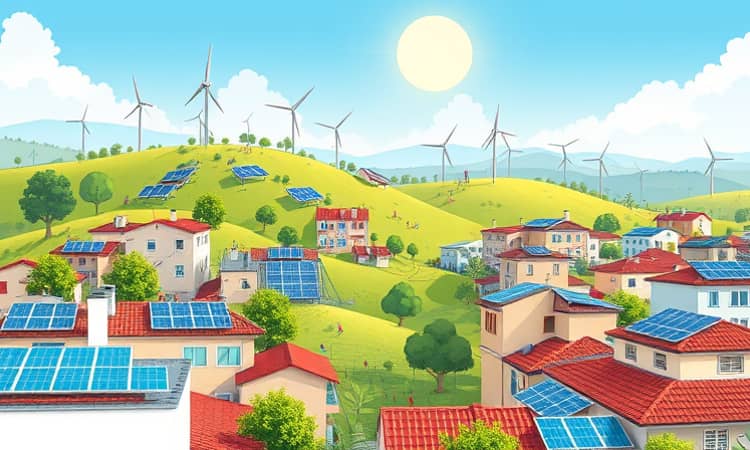
The surge of environmental, social, and governance (ESG) criteria is reshaping global markets, and emerging economies stand at the crossroads of immense risk and unprecedented opportunity. By exploring the scale of the green economy, evolving regulations, and the unique development–sustainability tension, this article offers insights and practical guidance for businesses, investors, and policymakers in these dynamic regions.
The Global Green Economy at Scale
Over the past decade, the commercial solutions with a clear environmental purpose have grown explosively. In 2023, the global green economy exceeded $5 trillion in annual value, and analysts project it will reach $7 trillion by 2030. Record-high investments in renewable energy, clean technologies, and sustainable supply chains demonstrate that sustainability has transitioned from a niche concern to a core business strategy.
Major corporations are embedding climate commitments deeply into their operations. Today, net-zero targets spanning entire supply chains are documented by 41% of the world’s 2,000 largest firms. From steelmakers in Europe to agricultural exporters in Latin America, these targets transmit powerful ESG pressures and open new markets for suppliers that can decarbonize and innovate.
The Spotlight on Emerging Markets
Emerging economies account for roughly 85% of global CO₂ emissions, making them pivotal battlegrounds in the fight against climate change. Rapid urbanization, industrial growth, and demographic shifts intensify these emissions, while exposing millions to climate risks like floods, droughts, and heat waves.
Yet these same economies harbor immense potential for sustainability progress. Surveys indicate that 77% of consumers in emerging markets prioritize eco-friendly products, outpacing many advanced economies. Domestic demand for green solutions, combined with rising investor interest, means ESG is not just an international mandate but a home-grown market driver.
Regulatory Shifts Driving Change
Emerging markets are experiencing a profound regulatory transformation. Both regional authorities and trading partners are imposing new ESG requirements that shape corporate behavior, force transparency, and influence capital flows.
- Mandatory ESG reporting in Brazil and Hong Kong, requiring listed companies to disclose environmental and social performance.
- EU Corporate Sustainability Due Diligence Directive (CSDDD), extending human-rights and environmental duties across global value chains.
- EU Deforestation Regulation, restricting imports linked to deforestation and pushing agricultural exporters to adopt sustainable land-use practices.
- EU Carbon Border Adjustment Mechanism (CBAM), raising costs on high-emission imports, from steel and cement to fertilizers, to incentivize decarbonization.
More than 36 jurisdictions—representing over half of global GDP—are aligning with International Sustainability Standards Board frameworks. Concurrently, enforcement is intensifying, with higher fines for greenwashing and rising scrutiny of ESG-linked financing products such as green bonds and transition bonds.
Investment Needs and Growth Opportunities
Meeting global net-zero targets will require emerging markets to channel approximately $1 trillion per year into renewable energy by 2030. Urbanization, industrialization, and the imperative to avoid locking in fossil infrastructure are driving this demand, reinforced by trade pressures such as CBAM.
- Green data centers: energy-efficient facilities powered by renewables and advanced cooling technologies.
- Distributed renewables and microgrids: decentralized power systems enhancing resilience and energy access.
- Blended finance models combining public and private capital: de-risking projects to attract commercial investors.
- Climate-resilient infrastructure: flood-resistant transport, water management systems, and coastal defenses.
Regional green taxonomies in ASEAN, Malaysia, and Singapore are beginning to signal climate-aligned activities, unlocking private capital in sectors that were once deemed too carbon intensive. These frameworks help investors identify and support projects that balance growth with environmental stewardship.
Balancing Development and Sustainability: The D-ESG Framework
Traditional ESG metrics often overlook the developmental challenges facing emerging economies. The concept of development vs. sustainability tension underscores that poverty alleviation and economic growth must proceed hand in hand with climate action.
The Emerging Markets Institute’s D-ESG framework integrates a fourth pillar—"D" for development—capturing indicators like GDP growth, trade, innovation, and fiscal health. In this model, D carries 30% weight, while E, S, and G collectively represent the remaining 70%, recognizing that economic conditions shape a country’s capacity to invest in ESG.
- China excels on development scores but faces ecological costs, highlighting a need to decarbonize heavy industry.
- Latin American economies show strong environmental performance but grapple with slower economic growth, a phenomenon dubbed "green stagnation."
- The Philippines and Vietnam emerge as models of green dynamism, combining robust development with rising social and governance standards.
Policymakers and investors can use D-ESG insights to tailor incentives, ensuring that green transitions are fair, inclusive, and aligned with growth objectives.
Looking Ahead: A Call to Action for Emerging Markets
Emerging economies are both drivers and beneficiaries of the next wave of green growth. By embracing transparent reporting, aligning with global standards, and deploying innovative financing tools, they can harness the full potential of the $7 trillion global green economy.
Businesses and governments must collaborate to build resilience, ensure just transitions for affected communities, and upgrade infrastructure with sustainability at the core. Only through unified action can emerging markets transform climate challenges into engines of long-term prosperity—proving that growth and sustainability can be truly synergistic.
The road ahead will demand vision, investment, and unwavering commitment. Emerging markets stand ready to lead a green revolution, where economic opportunity converges with environmental stewardship for the benefit of current and future generations.