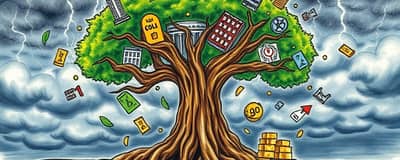
Every time you swipe your card or scan a barcode, unseen forces conspire to chip away at your wallet. From microscopic product reductions to stealthy subscription renewals, these hidden costs accumulate into thousands of dollars lost each year.
In this deep dive, we’ll reveal the tactics corporations use and arm you with practical strategies to regain financial control. Let’s expose these leaks and plug them for good.
Shrinkflation and Skimpflation: The Invisible Weight on Your Wallet
Shrinkflation occurs when companies subtly reduce package size while maintaining the same price, relying on consumer inattention. A 2025 study found a median product package size reduced by 11%, hitting staples like cereal, coffee, and personal care items.
Skimpflation takes a different form: quality cuts. Brands swap higher-grade ingredients for cheaper alternatives or add fillers, so your favorite snacks taste different and cleaning products lose potency. Both tactics bypass sticker shock and exploit our tendency to focus on numbers rather than net content.
Consider how often you buy ground beef at 17.2% higher cost per pound or a coffee blend that now delivers fewer ounces. These micro-hikes become unnoticeable until you tally your receipts over the month.
Subscription Creep: The Silent Drain on Your Income
Streaming services, cloud storage, and trial offers: before you know it, you’re paying for ten apps you barely use. Research shows the average household spends around $1,000 on subscriptions annually, with $200 of that wasted on forgotten or unused services.
Auto-renewal traps are rampant. You sign up for a free trial, receive no reminder, and the service quietly bills your credit card. Over a lifetime, these unmonitored charges can amount to hundreds of dollars lost each year.
To fight back, review credit card statements monthly, disable auto-renewals on seldom-used apps, and set calendar reminders to evaluate trial periods. Tools like MoneyRocket and Billshark can automate this audit.
Surveillance Pricing: When Data Becomes Dollars
Every click, location ping, and browsing history entry feeds algorithms that tailor prices to you. Known as surveillance pricing, this strategy may charge different customers different rates for the same hotel room, airline ticket or retail item.
The FTC has flagged widespread use of personalized pricing. Vendors detect your device type, geolocation, purchase history and willingness to pay, then adjust costs accordingly. One shopper might see a $120 fare, while another pays $150 for the identical flight.
Defend against this by comparing rates across devices, clearing cookies, using VPNs, or shopping in incognito mode. Price-tracker extensions and third-party platforms can also highlight discrepancies.
Inflation on Everyday Staples: Small Hikes, Big Impact
Although headline inflation hovers near 2.4%, the prices of everyday essentials tell a sharper story. Ground beef soared 17.2% year-over-year; non-alcoholic beverages climbed 4.5%; coffee costs spiked; personal care rose 2.5%; cleaning and paper goods added 1.5–1.6%.
These compounding impacts on household budgets magnify when grocery shopping, dining out and utility bills all rise in tandem.
The Annoyance Economy: Fees, Scams and Hidden Frictions
Beyond price hikes, companies profit from friction. Junk fees, extended hold times, cumbersome cancellation processes and relentless scam calls generate an estimated $165 billion annually.
Health-care administration costs alone rack up $21.6 billion in needless paperwork. Consumers endure 130 million scam calls every day and receive 20 billion spam texts monthly. When cancelling services becomes a maze, corporations see revenues climb by as much as 200% on hard-to-quit products.
These tactics foster cynicism and distrust, turning routine transactions into battlegrounds. Calling for stronger consumer protections and enforcement can help curb the worst abuses.
Lifestyle-Specific Pressures: Singles, Homeowners and Diners
Not all demographics feel these leaks equally. Singles pay a “solo rent premium” averaging 30% higher than shared housing, translating to an extra $10,470 annually. Homeowners face maintenance surprises—42% regret their purchase due to unforeseen expenses like repairs and property taxes.
Dining out has also become pricier. Restaurant prices jumped 6% from 2024 to 2025, and forecasts predict another 5% rise in 2026. A $15 lunch now regularly exceeds $18 with tax and tip, and weekly outings can easily amount to hundreds each month.
When groceries, housing, insurance and dining all shift upward, the middle class faces an intensifying squeeze.
Fighting Back: Practical Strategies to Plug Financial Leaks
- Compare unit prices and choose generics over brands.
- Audit subscriptions quarterly; disable auto-renewals.
- Use VPNs or incognito mode to avoid personalized pricing.
- Track receipts, categorize spending, and set budget alerts.
- Lean into bulk purchases for long-lasting essentials.
Implementing these measures can recapture hundreds, even thousands, of dollars each year. Small behavioral changes stack up over time, restoring breathing room in your budget.
Policy reforms and enhanced FTC oversight are equally vital. Advocating for fee transparency, easier cancellation rights, and anti-scamming regulations can shift the balance back toward consumers.
By understanding the full picture—shrinkflation, subscription creep, surveillance pricing and hidden fees—you empower yourself to spot leaks and seal them.
Your financial well-being deserves vigilance. Keep your eyes on unit costs, subscription tallies, and billing statements. With informed decisions and consistent habits, you can turn the tide on these everyday money drains.