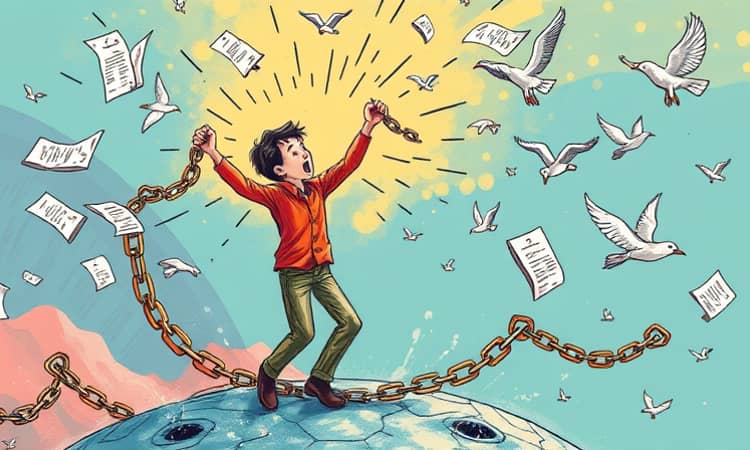
Debt is more than a financial obligation; it’s an emotional burden that can shape our thoughts and behaviors. From mounting credit card balances to lingering student loans, debt often triggers persistent anxiety and guilt, and creates an undercurrent of stress that affects every area of life. In the United States alone, Americans owe an average of $105,000 across credit cards, auto loans, student loans, and mortgages. In this article, we examine the psychological forces that keep people trapped in debt, unpack the neuroscientific drivers fueling impulsive borrowing, and offer practical strategies for lasting freedom.
Whether you are burdened by multiple accounts or facing a single loan, understanding the emotional and cognitive impacts of borrowing is critical to breaking the cycle. By combining insights from behavioral economics, neuroscience, and psychology, you can pave a path toward sustainable financial and emotional health.
Emotional Burdens of Debt
At its core, debt often sets off a vicious emotional cycle of borrowing. The initial relief of accessing funds can quickly morph into anxiety over looming payments, followed by panic when due dates draw near. Guilt over overspending can drive individuals toward impulsive purchases as a form of temporary escape.
This emotional rollercoaster is magnified by real-life pressures—job loss, medical emergencies, or family responsibilities. Together, these factors create a bandwidth tax on mental resources, draining focus and impairing everyday decision-making.
Relationships can also suffer under the weight of financial stress. Disagreements about spending priorities, secret debts, or unspoken obligations can erode trust and intimacy. When money becomes a source of conflict, people often retreat into avoidance, further deepening their financial and emotional troubles.
- Chronic anxiety over financial obligations
- Impulsivity triggered by emotional distress
- Regret and shame after unplanned spending
- Resentment toward self and others
Neuroscience Behind Borrowing Behavior
Borrowing can mirror addictive patterns in the brain. Regions such as the nucleus accumbens light up when we anticipate risky rewards, driving us toward immediate gratification. Meanwhile, the anterior insula signals looming losses, amplifying stress when debts accumulate.
Personality traits also play a significant role. Individuals high in neuroticism often use shopping as an emotional coping mechanism, while low conscientiousness correlates with difficulty maintaining effective budgets and following financial plans.
The concept of mental accounting explains why having multiple small debts can feel more stressful than a single large balance. Each account represents a separate mental “pain point,” heightening the emotional toll and magnifying decision fatigue.
- Activation of reward centers during credit use
- Heightened loss aversion with multiple accounts
- Present bias favoring immediate over future gains
Impact of Different Debt Types
Not all debt exerts the same psychological force. Some obligations weigh heavier on our minds, even when the dollar amounts are comparable.
Evidence from Towering Studies
A landmark study in Singapore demonstrated the power of targeted debt relief. When low-income households eliminated an extra debt account—rather than simply receiving a cash equivalent—they experienced a 0.25 standard deviation boost in cognition and an 11% drop in anxiety symptoms.
Generalized anxiety disorder symptoms fell from 78% to 53% of participants, resolving 38% of cases. Present bias decreased by 10%, mirroring the impact of a month’s household income in relief. Additionally, errors on cognitive tasks dropped by 0.026 while response times improved by 0.043.
In the Singapore study, risk aversion also declined significantly, narrowing the gap typically observed between genders or across different IQ levels. This suggests that targeted relief can recalibrate core decision-making biases, allowing individuals to evaluate trade-offs more rationally.
Meta-analyses and consumer research further confirm that debt creates a subjective burden diminishing life satisfaction. Whether through qualitative interviews or large-scale surveys, indebted individuals report lower wellbeing, underscoring the need for psychological and financial interventions.
Strategies to Regain Control
Restructuring debts into a single, manageable plan can demystify the repayment process. Instead of juggling due dates and interest rates across multiple bills, consolidating balances creates one clear picture of progress. This move alone can lower mental effort in financial decisions and reduce feelings of overwhelm.
Financial literacy programs offer more than technical knowledge; they build a sense of mastery. Learning how interest compounds and how to forecast cash flows fosters confidence in your ability to steer your finances intentionally. Community workshops and online courses can provide both information and moral support.
Mindfulness practices—such as tracking daily spending or pausing before impulse purchases—create space for thoughtful choices. When you learn to observe emotional triggers without immediate reaction, you can disrupt the pattern of debt-fueled spending and replace it with purposeful saving.
Finally, social support networks, whether peer groups or professional counselors, offer accountability and encouragement. Sharing goals and setbacks with trusted individuals reduces isolation and can spark collaborative solutions to financial challenges.
- Streamline debt accounts immediately to reduce the mental load and simplify payments
- Pursue financial education to build confidence in budgeting and interest management
- Practice mindfulness and cognitive restructuring to identify triggers and reshape thought patterns
- Develop disciplined habits, such as automated payments and regular expense tracking
- Seek social and professional support for accountability and guidance
Policy interventions can also play a role by minimizing the “bandwidth tax” on low-income populations, ensuring that debt relief programs target account structures as much as dollar values.
Moving Forward with Empowerment
True financial freedom extends beyond zeroing out bank balances. It emerges when you reclaim peace of mind, foster healthy money habits, and rebuild relationships strained by financial stress. This transformation requires time and deliberate effort, but each milestone—small or large—brings you closer to a life defined not by debt, but by choice and opportunity.
As you move forward, remember that breaking the cycle of debt is also a journey of self-discovery. By confronting emotional triggers, rewiring cognitive patterns, and embracing structured financial tools, you gain not only fiscal stability but also renewed resilience and hope for the future.