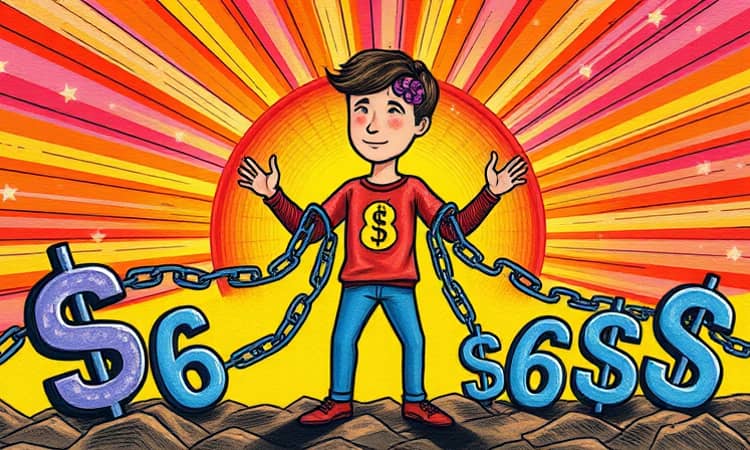
Debt is more than a financial instrument; it’s a powerful force that shapes emotions, thinking, and behavior. When balances climb, feelings of shame and anxiety often follow, clouding judgment and halting progress. Yet beneath these struggles lies an opportunity: by unraveling the psychological drivers of borrowing and repayment, we can craft transformative strategies that lead not only to financial freedom but also to renewed confidence and well-being. In this article, we delve deep into emotional triggers, cognitive biases, personality factors, and practical interventions to shine a light on the path out of debt’s shadows.
Emotional and Psychological Triggers
Borrowers often find themselves frozen by emotional forces that dictate their next move. Feelings of fear of financial repercussions and overwhelm from debt complexity can trigger avoidance behaviors. Shame about owing money compounds these emotions, leading many to hide from statements and calls.
Research shows that eliminating one debt account can reduce anxiety by 11% and present bias significantly decreases, restoring clearer thinking. However, when multiple accounts remain, the cumulative mental load taxes cognitive resources and perpetuates unhealthy spending cycles.
Cognitive Biases Influencing Borrowing Decisions
Loss aversion makes paying down debt feel more painful than the benefit gained, prompting procrastination. Borrowers often delay payments to avoid the sting, even when late fees make balances grow faster.
Optimism bias, or optimism without realistic planning, leads individuals to overestimate their ability to manage future expenses. Paired with present bias—the preference for immediate rewards—these distortions create a powerful barrier to consistent repayment. Mental accounting worsens the picture, as people treat each debt separately, prioritizing small loans for symbolic wins while high-interest balances continue to mount.
Personality Traits and Their Impact
Personality exerts a powerful influence on borrowing and repayment behaviors. Psychometric research highlights how traits such as self-control and conscientiousness drive financial outcomes.
By assessing these personality dimensions, advisors can anticipate challenges and tailor interventions that align with individual tendencies.
Psychological Ownership and Debt Structure
Borrowers’ sense of ownership over funds borrowed can lower their perception of indebtedness and increase borrowing willingness. When credit feels like personal cash rather than a liability, spending accelerates.
- Account elimination improves cognition more than equivalent cash payments.
- Mental accounting encourages irrational payment orders such as clearing small balances first.
- Framing loans with low-ownership language can reduce borrowing tendencies.
Strategic consolidation that reduces the number of active accounts often yields greater psychological relief than lowering total balances alone.
Behavioral Patterns and the Poverty Trap
Chronic debt creates a bandwidth tax on mental resources, leading to short-term focus and riskier choices. Scarcity mindset narrows attention to immediate needs, pushing long-term goals aside.
Impulsive purchases, driven by hedonic desires, further deplete funds. The perception of deserved control over funds after spending amplifies regret when debts come due, reinforcing shame and avoidance in future interactions.
Strategies and Interventions for Borrowers
Effective interventions address both thought patterns and external structures. Financial literacy builds confidence by demystifying interest rates and payment schedules. Mindfulness and cognitive restructuring help borrowers replace self-defeating beliefs like “I’ll never get out of debt” with “I can tackle this step by step”.
- Automated repayment plans for those with low self-control preserve consistency.
- Milestone-based goals offer immediate feedback and sustain motivation.
- Small rewards for progress counteract present bias and reinforce positive habits.
Programs combining education, automation, and behavioral nudges reduce anxiety and drive sustainable repayment plans.
Cultural and Societal Influences
Research indicates that cultural norms and social expectations shape attitudes toward debt. In some societies, borrowing carries heavy stigma, intensifying fear and shame around debt and discouraging open discussion. Elsewhere, credit is normalized, which can mask risks and fuel overspending.
Socioeconomic factors such as income inequality and banking access also influence borrowing patterns. Communities without easy access to formal loans may rely on high-interest informal lenders, deepening stress and limiting recovery options.
- Stigma reduction campaigns encourage honest conversations about debt.
- Community support groups provide collective accountability.
- Financial inclusion initiatives expand affordable credit options.
Debt Recovery Psychology: The Collector’s Perspective
Successful debt recovery hinges on empathy and respect. Collectors who practice active listening and validation create an atmosphere where borrowers feel acknowledged rather than threatened. Offering choices instead of ultimatums prevents psychological reactance and fosters cooperation.
Using positive, solution-focused language transforms interactions from fear-based calls into collaborative problem-solving sessions. This approach not only accelerates repayment but also protects the borrower’s dignity and reduces the emotional toll of financial hardship.
Conclusion: Transforming Debt into Opportunity
Understanding the psychological foundations of debt empowers both borrowers and advisors to break destructive patterns. By addressing emotional triggers, cognitive biases, and personality factors, individuals can reclaim control over their finances.
Implementing strategic account consolidation, leveraging behavioral nudges, and fostering empathetic communication paves the way for lasting repayment success. Viewing debt not as an insurmountable obstacle but as a challenge to understand and master opens the door to financial resilience and personal growth.