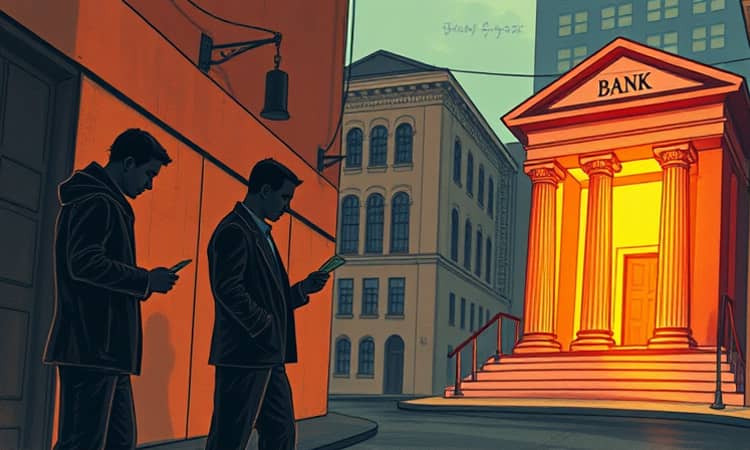
The shadow economy, often termed the informal or underground economy, encompasses all economic activities that operate outside formal oversight. While some segments involve criminal markets, a large share consists of legal production hidden to evade taxes and regulations. Understanding its scale, drivers, and credit mechanisms is vital to address systemic risks and foster financial inclusion.
Understanding the Shadow Economy
At its core, the shadow economy refers to activities that are in law or practice insufficiently covered by official arrangements and thus deliberately concealed from authorities. These may include both illegal markets—such as drug trafficking and smuggling—and legal but unreported services like cash-only retail, informal home repairs, or off-the-books employment.
Analysts typically break down the shadow economy into three categories: the informal sector of unregistered firms and self-employed individuals; underground production or tax-evading practices within registered firms; and the outright illegal economy. From a credit risk perspective, the lack of documentation and transparency in all these segments makes assessing borrower capacity and collateral value exceedingly difficult.
Scale and Global Trends
Recent studies estimate that the shadow economy comprises roughly 11.3–11.8% of global GDP, down from estimates of 28–34% in the 1990s. In value terms, activity may exceed $15 trillion worldwide. Nevertheless, patterns vary dramatically by income level, reflecting diverse institutional and socioeconomic contexts.
- Low-income countries: average share around 42.4%, with some exceeding 50% of GDP (e.g., Sierra Leone, Niger).
- Middle-income economies: often 25–40% of GDP (e.g., Azerbaijan 43%, Russia 34%, Turkey 27%).
- High-income nations: typically 5–10% (e.g., U.S. ~7–10%, EU average 17.2%, Germany 7.8%, Cyprus 32.2%).
Long-term data from the World Bank and IMF show a gradual formalization trend, with the global shadow share falling from about 34.5% to 27.8% of GDP between 1991 and 2015. Factors such as improved tax administration, digital payment adoption, and expanded financial services have contributed to this decline.
Drivers of Informality
Informal and underground activities emerge from a mix of push and pull factors. On the push side, high tax burdens, heavy regulation, and weak governance encourage firms and workers to operate off the books. Conversely, the flexibility and speed of informal operations can be attractive, especially where formal channels are cumbersome or inaccessible.
- High tax and social contribution burdens prompting evasion.
- Complex regulation, red tape, and compliance costs.
- Weak institutions, corruption, and selective law enforcement.
- Unemployment, poverty, and inequality fueling survival strategies.
- Financial exclusion limiting access to formal credit.
- Emerging digital tools enabling peer-to-peer and crypto payments.
These drivers create an ecosystem where informal enterprises can thrive but at the cost of increased volatility, limited growth potential, and cash-based and high volatility operations that complicate risk assessment.
Composition and Credit Mechanisms
The shadow economy comprises multiple subsectors. Informal labor and micro-enterprises dominate in many developing regions, with street vendors, home-based workshops, and day laborers forming the backbone. Within registered firms, practices like envelope wages and under-invoicing of sales represent underground activity. Meanwhile, illicit markets, including narcotics and counterfeit goods, carry substantial legal and reputational hazards for financiers.
In recent years, a modern digital shadow has emerged. Freelancers and gig workers may receive payments via peer-to-peer apps or cryptocurrencies, avoiding formal tax and reporting systems. This evolving digital shadow presents novel challenges for regulators and lenders, as transaction records may be fragmented or encrypted.
From a credit perspective, shadow enterprises often have small-scale, low-margin operations with little to no formal collateral. Enforceability relies on social ties or, in some cases, coercion rather than courts. These characteristics lead to elevated default probabilities and difficulties in pricing credit appropriately.
Credit Provision in Unofficial Sectors
Despite the challenges, various credit mechanisms sustain the shadow economy. Informal moneylenders and rotating savings groups (ROSCAs) provide short-term liquidity. Family and community networks extend trust-based advances, while suppliers within informal value chains may offer trade credit. At the extreme, illicit lenders or loan sharks operate with high interest rates and coercive enforcement.
- Informal moneylenders and rotating savings associations.
- Family and social-network lending rooted in trust.
- Trade credit among informal suppliers and distributors.
- Criminal or gray-market lenders offering usurious rates.
These providers operate outside formal collateral registries and credit bureaus, exposing them—and any formal institution that partners with them—to legal and compliance risk including anti-money laundering and sanction breaches.
Risk Channels and Macro Implications
The prevalence of a large shadow sector has significant economic and fiscal consequences. Tax revenue loss and fiscal strain reduce public investment in infrastructure, health, and education, undermining long-term growth. Moreover, underreported activity distorts key economic indicators such as GDP and productivity, leading to misguided policy decisions.
From a financial stability perspective, economies with extensive informal sectors are more vulnerable to sudden stops, volatile revenues, and banking fragility. This dynamic amplifies sovereign credit risk and can trigger systemic crises if unaddressed.
Strategies and Policy Responses
Mitigating credit risks in the shadow economy requires a balanced approach. Simplifying tax codes, reducing regulatory burdens, and enhancing digital payment infrastructure can incentivize formalization. Financial inclusion initiatives—such as tailored microfinance products and mobile banking—offer alternative pathways for informal firms to access transparent credit.
Strengthening institutional capacity, improving data collection on informal activity, and promoting public awareness about the benefits of formality are also critical. Coordinated efforts between governments, financial institutions, and civil society can foster a more inclusive and resilient financial ecosystem.
Conclusion
The shadow economy, while offering flexibility and survival strategies, poses significant credit and compliance risks. By understanding its scale, drivers, and credit practices, policymakers and lenders can design targeted responses that balance enforcement with inclusion. Ultimately, fostering transparent and inclusive finance is key to reducing vulnerabilities and unlocking sustainable growth.