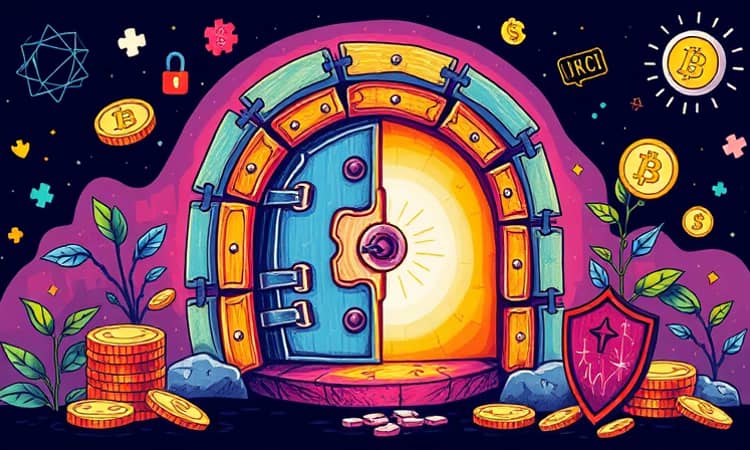
In an era of economic flux, building an unbreakable personal finance system demands foresight, discipline, and adaptability. This guide offers a comprehensive roadmap to protect and grow your resources for decades to come.
Foundations: Emergency Fund and Savings
At the heart of every resilient financial plan lies an emergency fund. By setting aside liquid cash, you can weather unexpected challenges without derailing your long-term goals.
Begin by aiming for 3-6 months of essential expenses in a high-yield savings account. Freelancers should start with at least $1,000 as a starter cushion and gradually build to the full target.
- Allocate 30% of freelance income to taxes first, then prioritize savings and investments.
- Use CD or bond ladders to lock in yields amid expected cuts while maintaining liquidity.
- Automate transfers monthly—treat savings like a fixed bill.
- Strive to save at least 15% of pre-tax income for retirement, including employer matches.
Mastering Debt Management
Debt can be a strategic tool or a crippling burden. To transform it into an ally, you must target high-cost obligations first and optimize borrowing costs as rates shift.
Credit card balances often carry double-digit interest rates, making them the top priority for repayment. As Federal Reserve rate cuts ease borrowing costs, explore refinancing options on mortgages and student loans to lock in lower rates.
- Focus on eliminating high-interest debt before tackling lower-rate obligations.
- Avoid minimum payments and cash advances to preserve cash flow.
- Consider consolidating loans or refinancing when market conditions are favorable.
Diversification and Investment Strategies
A well-diversified portfolio serves as your investment fortress. By spreading capital across stocks, bonds, and cash equivalents, you reduce vulnerability to any single downturn.
Revisit your asset allocation periodically to ensure it aligns with your risk tolerance and time horizon. In a landscape expecting around 100 basis points of Fed cuts, shorter-maturity bonds (5–7 years) may offer compelling yields with manageable duration risk.
Adopt a long-term focus beyond daily fluctuations and rebalance when necessary, so you don’t inadvertently overexpose yourself to one asset class as markets shift.
Retirement and Tax Strategies for 2026
To build a secure retirement, capitalize on evolving contribution limits and tax treatments. In 2026, 401(k) and similar plans rise to a $24,500 limit, with enhanced catch-up provisions for those aged 60 to 63 under the Secure 2.0 Act.
Choose between traditional contributions to lower current taxable income or Roth contributions for future tax-free withdrawals. A mix of both creates flexibility in managing future tax obligations.
Review your W-4 each year to avoid over-withholding and free up cash flow for higher-priority savings. Self-employed individuals can leverage SEP IRAs or Solo 401(k)s to maximize deductions.
Insurance, Estate Planning, and Risk Mitigation
Insurance acts as a financial safety net, protecting you and your loved ones from catastrophic losses. Periodic reviews ensure coverage matches your evolving needs.
Key estate planning documents—your will, durable power of attorney, health care directives, and beneficiary designations—ensure your assets transfer according to your wishes and can reduce estate tax burdens.
Pair traditional policies with a Health Savings Account (HSA) for qualified medical expenses. An HSA offers triple tax benefits: contributions reduce taxable income, growth is tax-deferred, and withdrawals for health costs are tax-free.
Digital Security and Fraud Prevention
As financial services become ever more digital, safeguarding your accounts is paramount. Employ multi-layered defenses to stay ahead of increasingly sophisticated threats.
Instant transaction alerts can detect unauthorized activity under federal protections. Freeze your credit file at major bureaus to block new accounts in your name. Deploy two-factor authentication—whether via biometrics, authenticator apps, or SMS—to raise the barrier for would-be intruders.
- Use encrypted cloud storage and physical backups for critical documents.
- Stay alert to imposter scams and phishing attempts on social media and email.
- Embrace AI-driven security tools that flag anomalies and automate fraud detection.
Professional Advice and Future-Proofing
While self-education is powerful, a certified financial professional can tailor strategies to your unique circumstance and goals. Regular check-ins help you adjust to shifting economic trends—be it inflation, rate changes, or technological innovations.
Set clear milestones—retirement age, education funding, major purchases—and align your saving, investment, and insurance strategies accordingly. Continuous learning and proactive adjustments prevent strategy stagnation and help you capitalize on emerging opportunities.
By weaving together robust savings habits, disciplined debt reduction, mindful investing, strategic tax planning, comprehensive protection, and vigilant digital security, you create an unbreakable bank of personal finance—one capable of supporting your aspirations through any storm.