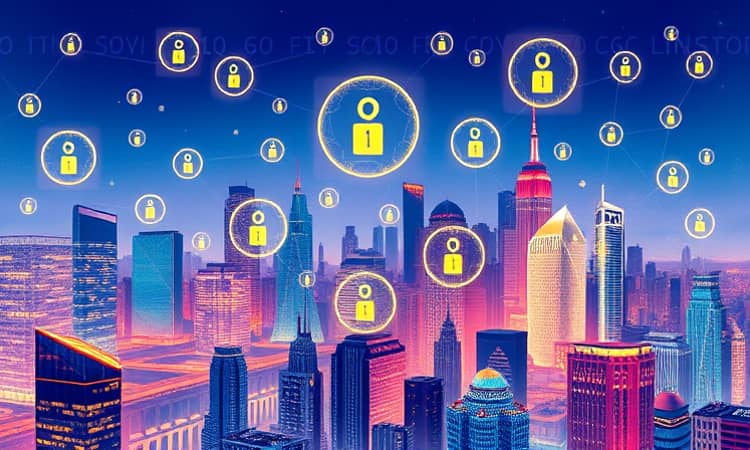
Throughout history, windows of opportunity appear when technology converges with vision. Today, tokenized real estate is ushering in an unprecedented era of accessibility in property investment. By converting physical assets into digital tokens, a new generation of investors can engage directly with tangible real estate like never before.
At its core, tokenization democratizes investment, enabling individuals worldwide to participate in markets once reserved for institutional or high-net-worth players.
How Tokenization Transforms Real Estate Ownership
Real estate tokenization involves dividing property assets into digital units on a blockchain network. Each token represents a fractional share or revenue right tied to a specific building, land parcel, or development project. When you acquire these tokens, you acquire transparent and secure ownership stakes recorded on a tamper-proof ledger.
Tokens can represent equity, rental income rights, or stakes in a diversified basket of properties. This innovation breaks down traditional barriers to entry and opens doors to a spectrum of new investment possibilities.
Depending on the chosen model, tokens can represent direct equity, rental income rights, or shares of diversified portfolios. For instance, cash flow tokenization allows property owners to monetize future rental streams by issuing income tokens, while tokenized baskets bundle multiple assets to create balanced investment vehicles. This versatility opens doors to innovative funding models that align stakeholder interests and diversify risk.
This comparison reveals how tokenization reimagines core aspects of property ownership, delivering near-instant settlement and trade execution and transparent, tamper-proof and auditable transactions.
Key Benefits for Investors
Investors stand to gain immensely from tokenized real estate. It removes longstanding hurdles, fosters diversification, and injects dynamic liquidity into a traditionally static asset class.
- Enhanced liquidity through fractional trading on secondary markets
- Lower barriers to entry with modest initial investments
- Global portfolio diversification with cross-border access
- Real-time asset performance tracking and price discovery
Imagine building a resilient portfolio of luxury apartments in Dubai, suburban homes in California, and urban office towers in London—all with a few clicks. This is more than a theoretical concept; platforms like Propy and Maticz are already making it possible.
Take the case of Maria, a teacher in Brazil. Through a tokenized fund, she purchased units in a luxury apartment complex in Berlin for under $1,000. Over months, she tracked rental yields on her mobile app and sold half her tokens to realize gains—all without a broker or bank. This level of flexibility is reshaping wealth-building opportunities globally.
For the individual investor, tokenization transforms real estate from a distant dream into an accessible, hands-on reality. With fractional ownership opportunities available worldwide, anyone with an internet connection can start building equity in prime markets.
Advantages for Property Developers and Owners
Beyond investors, developers and property owners unlock new channels to raise capital efficiently. By selling tokens linked to a project, they can accelerate funding without the red tape of traditional financing methods.
- Faster capital raises via global crowdfunding
- Elimination of costly intermediaries and fees
- Retention of partial ownership with flexible token sales
- Ongoing revenue sharing and royalties on secondary sales
Consider a burgeoning hotel development in Bali. Instead of seeking bank loans or private equity, developers can distribute tokens representing room revenue rights. Investors receive predictable income streams managed automatically by smart contracts. At the same time, the developer benefits from automated rent collection and distribution and reduced legal overhead.
Similarly, a coworking space operator in Toronto launched a token sale, raising $2 million in 48 hours. Investors from Asia, Europe, and North America subscribed to tokens representing workspace revenue, creating a vibrant, cross-border community of stakeholders. This approach enabled faster capital deployment and global reach at unprecedented speed.
Operational Efficiencies and Market Impact
Blockchain’s decentralized ledger and programmable smart contracts usher in an era of unprecedented operational efficiency.
By leveraging blockchain and smart contracts, manual processes—such as rent collection, profit distribution, and title transfers—can be automated, reducing costs and time delays. Smart contracts execute predefined actions when conditions are met, ensuring investors receive dividends promptly, and ownership records remain up-to-date without human intervention.
- Automated dividend payouts and rent collection
- Immutable record-keeping for audit-ready transparency
- Streamlined compliance with regional regulations
- Enhanced price discovery and market responsiveness
Beyond individual assets, tokenization fosters entire ecosystems. Secondary marketplaces dedicated to real estate tokens are emerging, offering transparent order books, real-time pricing, and 24/7 trading. These platforms mirror the sophistication of stock exchanges, delivering an institutional-grade, round-the-clock trading environment to retail and professional investors alike.
The ripple effect of these efficiencies extends beyond individual assets. As tokenization scales, entire real estate markets gain liquidity, fostering price stability and attracting new capital sources. This evolution heralds an industry-wide shift toward a more democratic and resilient property ecosystem.
Embracing the Future: Challenges and Next Steps
Despite its promise, tokenized real estate faces hurdles that require thoughtful navigation. Regulatory frameworks vary by region, and investor education is critical to building trust in this novel asset class. Meanwhile, technical standards for digital securities continue to evolve.
Collaborations between blockchain innovators, legal experts, and financial regulators will pave the way for unified guidelines. Educational initiatives must demystify tokenization, empowering retail and institutional investors alike to harness its potential.
Leading industry players, such as Blocksquare and real estate platforms built on Ethereum and IPFS, are collaborating with regulators to pilot tokenization frameworks in Europe and North America. As standards coalesce, tokenized real estate will transition from pilot projects to mainstream adoption, enabling everyday investors to hold stakes in beachfront properties, office towers, and mixed-use developments around the globe.
Revolutionizing how property is bought, sold, and managed, tokenized real estate stands as a beacon of a more inclusive future. It offers an invitation: to reimagine ownership, to broaden access, and to build diversified wealth in a way that was once reserved for the few.
Now is the time to seize this opportunity. Whether you’re an investor seeking new horizons or a developer aiming to accelerate growth, tokenization promises to unleash value across the entire real estate spectrum. Step forward and be part of this bold transformation.