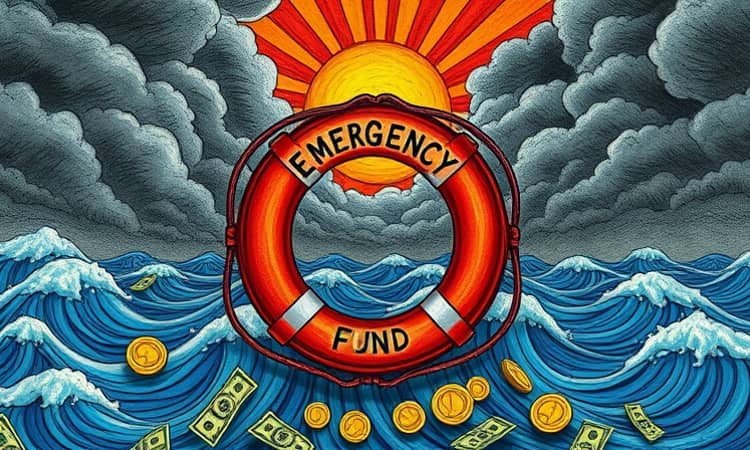
In an unpredictable world, having a solid financial foundation can feel like carrying a hidden superpower. Your emergency fund is that unseen force guarding you against life’s sudden shocks. By understanding, building, and nurturing this fund, you transform uncertainty into confidence.
Whether you’re facing a sudden job loss, unexpected medical bills, or urgent home repairs, a dedicated reserve can mean the difference between stability and crisis. Let’s explore how to make this guardian of your future an unshakable reality.
What Is an Emergency Fund?
An emergency fund is a specially designated account set aside for unforeseen, major expenses. Unlike money set aside for everyday wants or planned purchases, this fund remains untouched until a true crisis hits.
powerful financial safety net designed to protect your long-term goals and mental well-being.
Why You Need 3–6 Months of Expenses
Experts agree that having between three and six months’ worth of living expenses is ideal for most families. This target helps you weather significant life events without resorting to high-interest debt.
Starting small can build momentum. Aim for a modest cushion first, then gradually expand.
- $500–$1,000 initial buffer provides immediate relief for minor emergencies.
- Progress to one, three, then six months based on your comfort level.
- Customize your goal by accounting for fixed costs (rent, utilities) and variable costs (groceries, transportation).
- Celebrate milestones to stay motivated and maintain momentum.
Common Emergencies Covered
Your emergency fund exists to cover unpredictable events that threaten your financial stability and safety.
major disruptions to income or safety such as:
- Job loss or reduced work hours that cut your cash flow.
- Medical treatments and expenses not fully covered by insurance.
- Essential car repairs ensuring you can commute to work.
- Home repairs like a broken furnace or roof leaks.
- Urgent family travel in response to crises or bereavement.
Resist the urge to tap this fund for vacations, non-essential shopping, or planned large purchases. Keeping it inviolate is key to its power.
Key Benefits and Considerations
Building an emergency fund carries numerous advantages that ripple through all areas of life.
- avoid high-interest debt cycles by eliminating the need for credit cards or payday loans during urgent times.
- Provides peace of mind during crises, reducing stress and preserving mental health.
- Protects long-term savings by preventing early withdrawals from retirement accounts.
- Gives you freedom to pursue better jobs or entrepreneurial ventures without immediate financial pressure.
- Opportunity cost: while funds earn modest returns, their safety and accessibility remain the priority.
Building Your Fund: Practical Strategies
Consistency and automation transform the daunting goal of saving several thousand dollars into manageable steps.
- automate consistent savings transfers monthly directly from your paycheck to a designated account.
- Track your expenses—fixed and variable—to set realistic savings targets each month.
- Allocate windfalls (tax refunds, bonuses) toward your emergency fund for rapid growth.
- Reduce discretionary spending or sell unused items to free up extra cash.
- Treat your savings goal like a recurring bill: non-negotiable and recurring.
Where to Keep Your Emergency Fund
Liquidity, safety, and modest interest are the hallmarks of an ideal emergency account. Keep your reserves accessible without penalties.
Consider these options:
- High-yield savings account: Full liquidity with competitive interest rates.
- Money market account: Allows limited checks or debit access while earning interest.
- Certificates of Deposit (CDs): Staggered maturities for slightly higher returns, keeping most funds immediately available.
Avoid volatile investments like stocks, restricted retirement accounts, or storing large amounts of cash at home.
Overcoming Psychological Barriers
Saving for a rainy day often pits instant gratification against future security. Recognize common myths:
- “I’ll start after paying off debt” can delay critical protection—balance both priorities.
- “I don’t earn enough”—even small, consistent amounts build significant reserves over time.
- “I’ll use emergencies credit cards” leads to costly interest and stress.
Visualize your fund as a guardian angel silently working behind the scenes. Each deposit strengthens its shield, giving you confidence to face life’s twists and turns.
Putting It All Together
Your emergency fund is more than a bank balance—it’s a statement of self-reliance, an act of self-care, and the bedrock on which you can build dreams without fear.
Set clear milestones, automate your process, and keep your fund in a safe, liquid account. Celebrate every achievement and watch as anxiety gives way to empowerment.
When life throws you a curveball, your emergency fund stands ready. It may go unnoticed on your balance sheet, but its impact echoes through every choice you make. Start today, nurture it diligently, and let this unsung hero safeguard your dreams and aspirations for years to come.