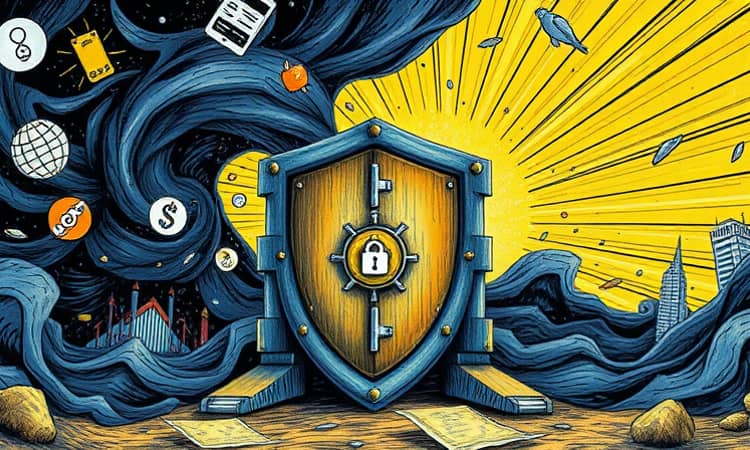
In an age of cyber threats, economic uncertainty, and unexpected disasters, your personal finances deserve a robust protective barrier. Just as enterprises build firewalls to defend digital systems, individuals can construct a multi-layered defense strategy that insulates core assets from catastrophic risks.
Understanding Financial Vulnerabilities
Everyday life exposes us to a range of threats: bank account shutdowns, credit card clawbacks, identity theft, scams, natural disasters, and business downturns. When one failure occurs, it can cascade through your entire financial network unless checked.
A personal financial firewall prevents the “spread” of one crisis—such as a major bank collapse—from toppling your entire portfolio. In corporations, enterprise risk management (ERM) frameworks identify, assess, and mitigate these threats. You can adapt those principles for individual use.
Building the Firewall: Diversification and Separation
At the heart of your protective barrier lies the principle of separation. By segregating funds, accounts, and responsibilities, you create compartments that contain risk and stop one breach from undermining everything.
- Account Segmentation: Maintain separate checking and savings at different banks. Keep high-reward credit cards distinct from primary accounts to avoid major disruptions if one issuer halts operations.
- Business-Personal Divide: Form an LLC or corporation, hold separate bank accounts, and avoid pledging personal assets for business loans. This legal firewall limits liability if your venture encounters trouble.
- Address Insulation: Use P.O. boxes or alternative mailing addresses for sensitive accounts to minimize exposure to fraud or physical threats.
Cybersecurity and Fraud Defenses
Strong cybersecurity acts as the digital layer of your firewall. Without vigilant defenses, a single phishing email or malware infection can compromise dozens of financial relationships.
- Access Controls: Implement role-based permissions on shared finances. Grant limited access for family members or advisors, and revoke rights for unused apps.
- Monitoring Systems: Use automated alerts and logging tools—akin to SIEM systems—to flag unusual activity across accounts and devices.
- Human Firewall: Educate yourself and loved ones on phishing, scam patterns, and social engineering. Awareness remains one of the most effective anti-fraud measures available.
Risk Assessment and Mitigation
Translating enterprise ERM to personal finance requires a structured approach: identify potential hazards, assess their likelihood and impact, and determine strategies to avoid, mitigate, or transfer those risks.
Begin with a catalog of assets—bank balances, retirement accounts, property, and insurance policies. For each item, assign risk levels and specify indicators (e.g., credit utilization spikes, market volatility) that trigger reviews.
This holistic review fosters a culture of preparedness, where quarterly or annual risk assessments become routine parts of your financial calendar.
Insurance and Financial Buffers
Insurance acts as a formal transfer of risk, cushioning you against major shocks. But coverage gaps can leave you exposed when you need protection most.
- Catastrophe Coverage: Confirm adequate property and casualty policies for disasters. Include flood, wildfire, or earthquake riders if you live in vulnerable areas.
- Liability Policies: Umbrella insurance can shield personal assets from lawsuits arising from injuries or contractual disputes.
- Liquidity Reserves: Maintain an emergency fund equal to at least six months of expenses. This capital buffer prevents forced sales of investments during market downturns.
Disaster Preparedness and Mitigation Investments
Investments in resilience pay dividends when crisis strikes. Studies show a $1 investment in structural improvements yields $4 in avoided losses, and early warning systems reduce damages by 30%.
On a personal level, home hardening—storm-proof windows, reinforced roofing—and subscription to alert services can replicate these benefits. Assemble digital and physical copies of account statements, insurance policies, and important documents in a secure vault or encrypted cloud storage.
Advanced Tactics and Ongoing Maintenance
A firewall is only as good as its upkeep. Cyber threats evolve, financial products change, and personal circumstances shift. Commit to regular reviews and updates of your firewall policies.
Establish a personal risk committee—spouse, partner, or trusted advisor—that convenes annually to assess new threats, review account structures, and verify that insurance limits keep pace with asset growth.
Innovations such as impact investing can align your wealth-building goals with resilience projects in communities. Collective vigilance—setting up peer networks to share threat intelligence—fortifies everyone’s defenses.
Overcoming Challenges and Staying Realistic
Fully isolating finances can be impractical if you rely on a single primary bank or credit union. In such cases, focus on insulation—creating cushions and alternative pathways for funds—rather than perfect separation.
Threats like cyber-attacks and pandemics adapt rapidly. Staying flexible, monitoring emerging risks, and investing in human and technological firewalls ensures you don’t fall behind.
Finally, risk perception varies among family members and advisors. Building consensus and maintaining open communication fosters a shared commitment to protecting what matters most.
Conclusion
By borrowing principles from enterprise risk management and blending them with personal finance strategies, you can erect a comprehensive defense structure that stands firm against a broad array of threats.
Your personal financial firewall is more than a set of accounts or insurance policies—it’s a mindset of vigilance, diversification, and proactive planning. When you invest in resilience today, you secure the freedom to thrive tomorrow, regardless of the threats on the horizon.