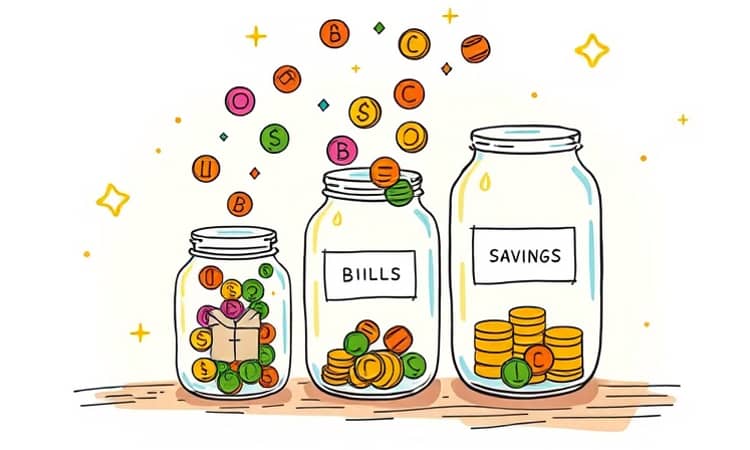
In an era marked by rising costs and shifting incomes, mastering your money is more crucial than ever. Zero-based budgeting offers a fresh approach: assign every dollar a specific role until your income minus expenses equals zero. This method transforms vague financial goals into a clear plan, empowering you to take control and align spending with what matters most.
What Is Zero-Based Budgeting?
Zero-based budgeting (ZBB) begins with a “zero base” each period. Rather than tweaking last month’s figures, you justify every single expense, from rent to streaming services. This practice forces intentionality, preventing waste and ensuring every dollar a purpose. Whether you earn a steady salary or face variable freelance paychecks, ZBB adapts to your needs and keeps you accountable.
The Origins of ZBB
Developed in the 1970s by Peter Pyhrr at Texas Instruments, ZBB challenged the status quo of incremental budgeting. By requiring line-by-line justification, organizations uncovered hidden inefficiencies and reclaimed resources. Over time, the method migrated to personal finance, popularized by tools like YNAB. Today, ZBB remains a powerful way to foster cost-based justification at every level.
Step-by-Step Guide to Implementation
Starting zero-based budgeting can feel daunting. Follow these steps to build momentum and establish clear financial picture every month:
- Calculate your total take-home income for the period.
- List every expense, savings contribution, and debt payment.
- Categorize items as needs, wants, short-term, or long-term.
- Assign each dollar until your balance reads zero.
- Review and adjust monthly based on changing priorities.
Comparing ZBB to Traditional Budgeting
Understanding the distinction helps illustrate why ZBB can be transformative:
Key Benefits for Personal and Business Users
Zero-based budgeting delivers profound advantages across settings. Organizations often realize over 40% reductions in costs of goods sold or headcount by eliminating non-essential expenses. Individuals gain mindful spending and clear priorities, tracking every dollar toward goals like debt payoff or emergency savings.
Core benefits include:
- Strategic alignment: Tie each allocation to specific objectives.
- Transparency and accountability: Empower teams and families alike.
- Improved efficiency: Detect and eliminate hidden waste.
- Adaptability: Adjust on the fly for variable income streams.
Overcoming Common Challenges
Despite its strengths, ZBB demands time and discipline. The initial setup can feel resource-intensive, requiring careful review of every expense. A steep learning curve may overwhelm newcomers accustomed to passive budgeting. To ease the transition, start with a simplified “near” ZBB for one or two key categories, build confidence, and gradually expand.
Remember that consistency breeds success. A brief weekly check-in can catch discrepancies early and reinforce accountability across your finances. Seek out communities or tools to guide you through the process and keep motivation high.
Real-World Use Cases and Examples
Personal Scenario:
A freelancer brings in $5,000 one month. They allocate $2,000 to rent, $600 to groceries, $1,200 to debt payoff, $800 to savings, and $400 to entertainment, leaving no unassigned dollars. This granular approach ensures essentials are covered first, then prioritizes financial growth.
Business Scenario:
Amid inflation, a mid-sized manufacturer resets its departmental budgets to zero. Each manager justifies headcount and material expenses against corporate goals. The result: streamlined operations and a culture of continuous cost improvement, enabling the firm to redirect savings toward innovation.
Tools and Tips for Sustained Success
Leverage digital platforms like YNAB or spreadsheet templates designed for ZBB. These tools simplify the tracking and adjustment process, offering customizable categories and real-time balance updates. To maintain momentum:
- Schedule a monthly budget review session in your calendar.
- Celebrate milestones like paying off a credit card or boosting savings.
- Invite accountability partners—a friend or a team member—to share progress.
By embedding these habits, ZBB becomes more than a method—it transforms into a mindset of deliberate allocation and practical financial stewardship.
Conclusion
Zero-based budgeting offers a powerful pathway to financial clarity and control. Whether you manage household income or oversee corporate resources, assigning every dollar a dedicated job can unlock unexpected savings and align spending with your highest priorities. Embrace the zero-base philosophy, justify each cost, and watch as your financial confidence grows alongside your bank balance.